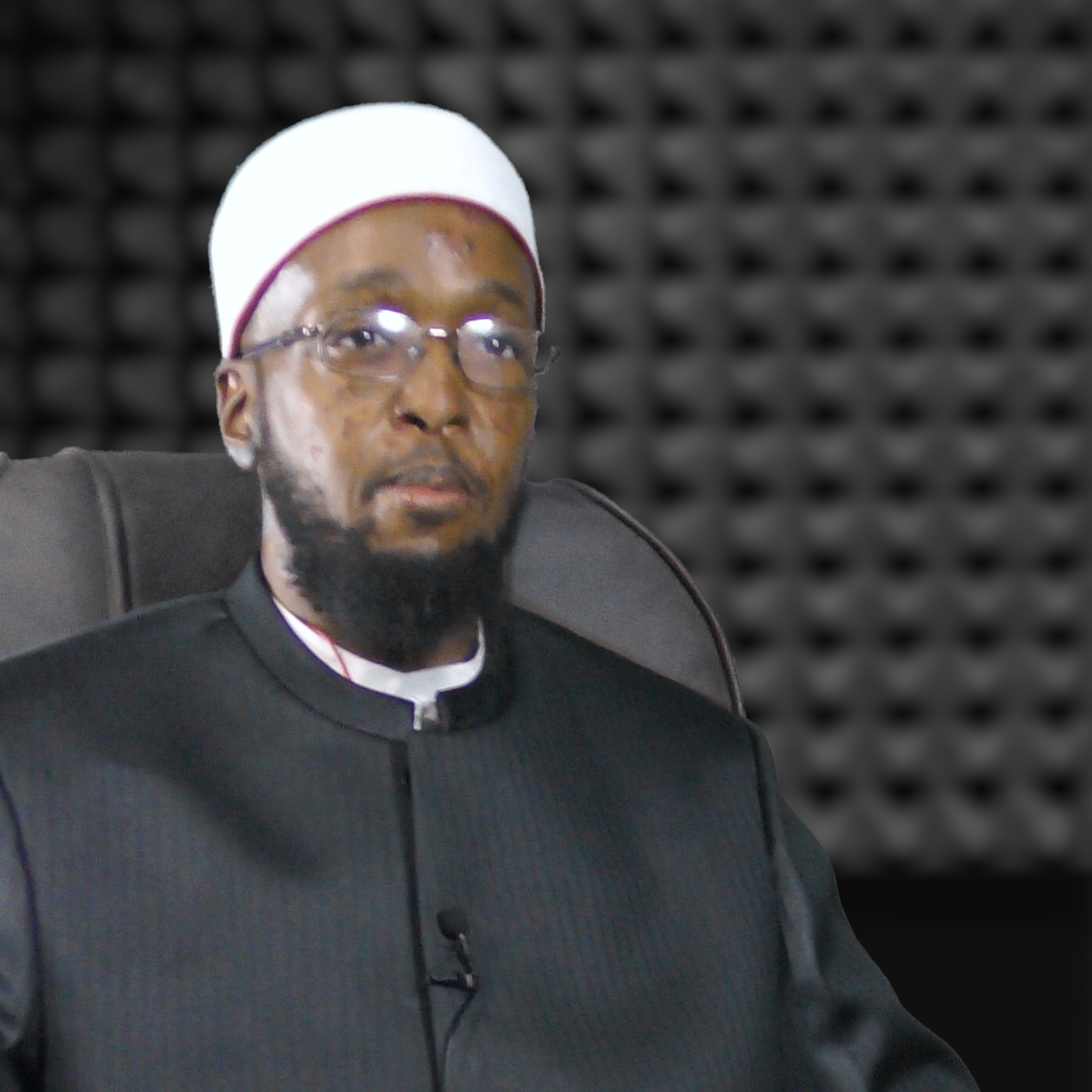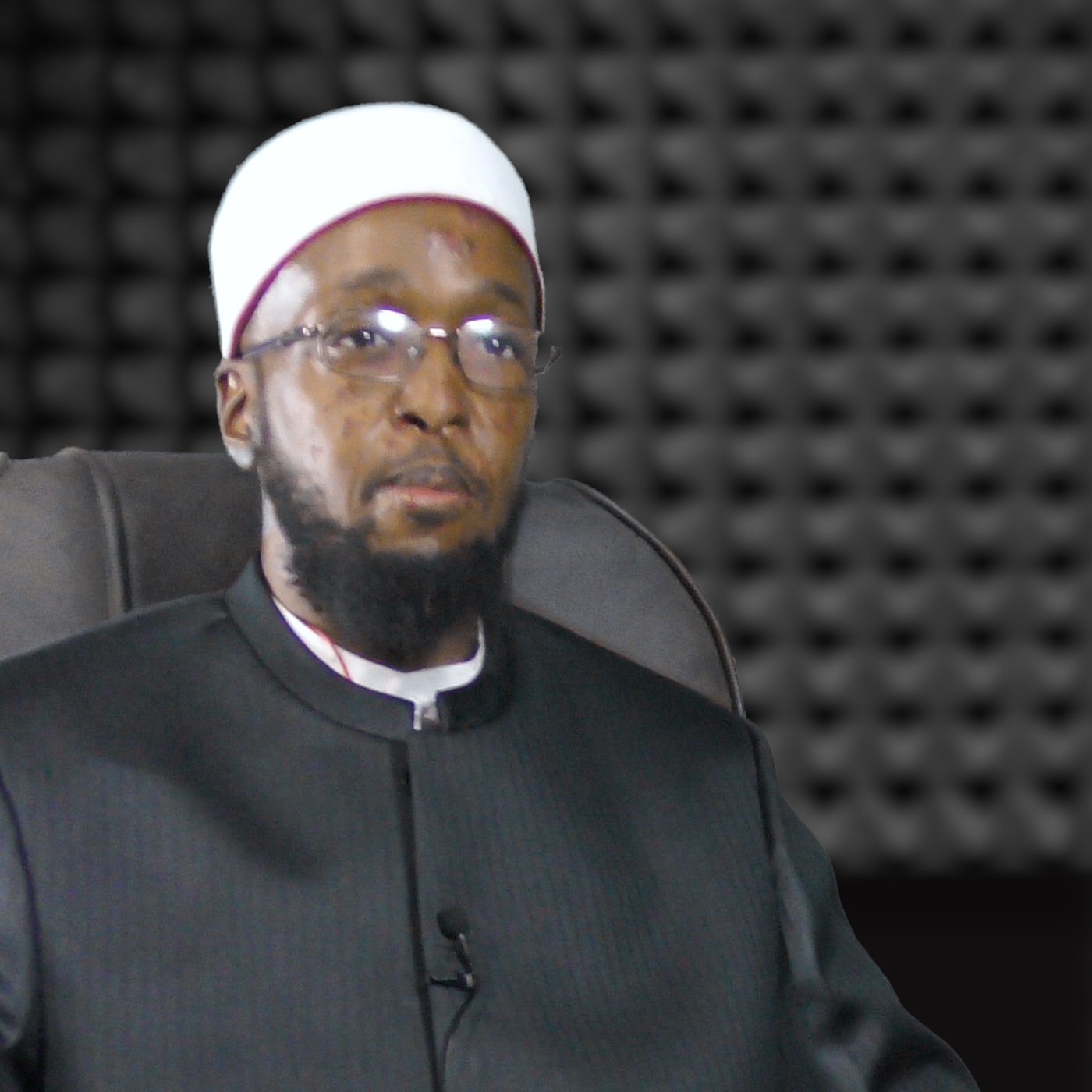

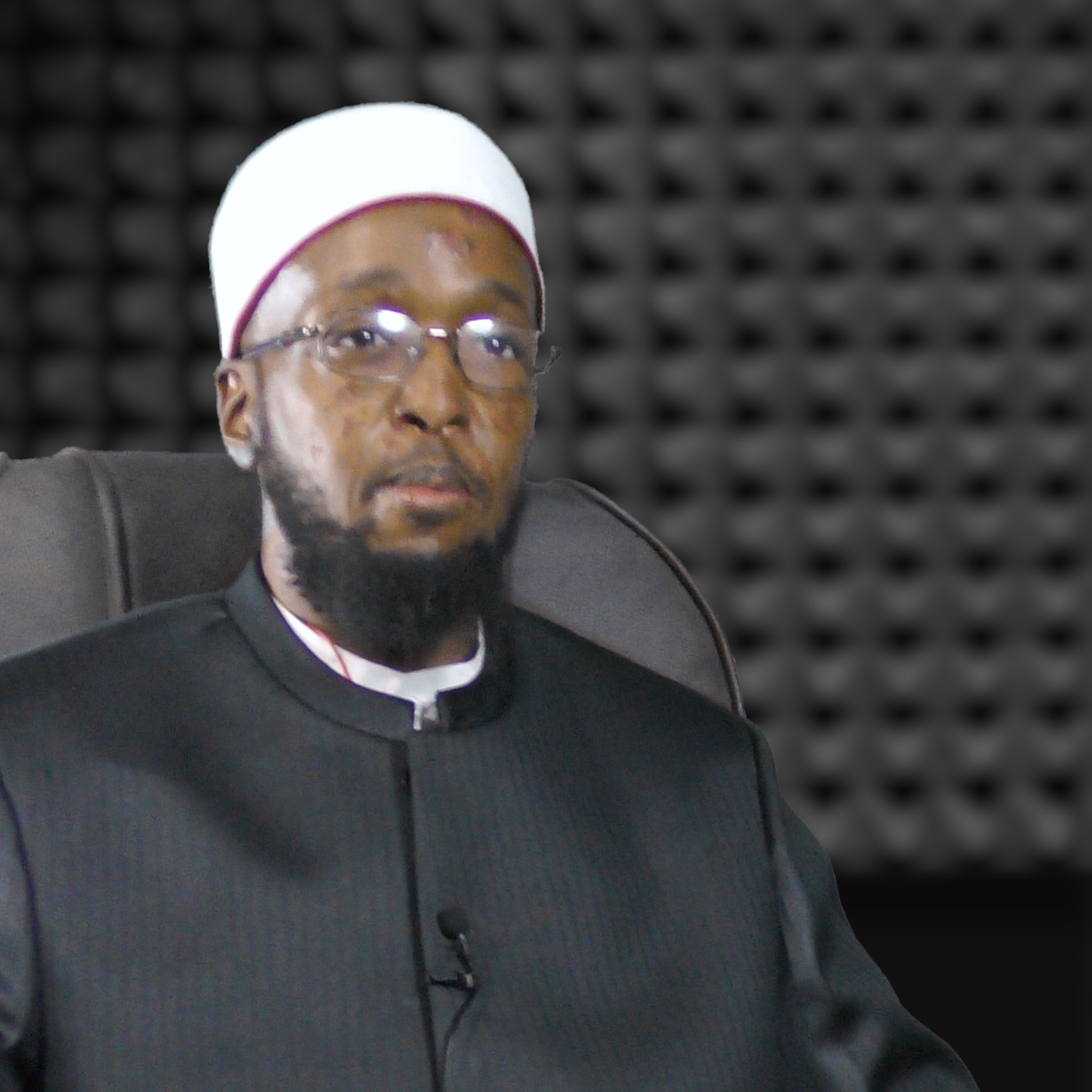
The Mistake Nobody Notices They're Making
When something in your life reaches a breaking point - a marriage, a job, a friendship - there is a list of people you call. And that list almost always gets built the same way. You call whoever is closest. Whoever answers fastest. Whoever has been in your life the longest.
Nobody sits down and asks themselves a harder question first: is this person actually qualified to help me see this clearly, or are they simply available?
That distinction sounds obvious once it is said out loud. But almost nobody applies it in the moment. In the moment, proximity feels like qualification. Closeness feels like credibility. And that quiet confusion is responsible for more stalled decisions, more prolonged suffering, and more repeated mistakes than almost anything else in a person's life.
Why Proximity Feels Like Enough
There is a reason this pattern is so hard to break. Proximity comes with trust already built in. You do not have to explain your history to your cousin. You do not have to establish credibility with your college roommate. The emotional shortcut is real, and it is comfortable.
But trust and competence are two entirely different things. A person can love you deeply, know your entire story, and still have zero framework for helping you navigate the exact situation in front of you. They have never run a business, yet you ask them whether to take the loan. They have never sat with a scholar about a difficult marriage, yet you ask them whether to stay or leave. They mean well. They simply do not have the tools.
And here is the part that goes unspoken - most people asking for advice are not actually checking whether the person has the tools. They are checking whether the person is available and willing to listen. Availability gets mistaken for capability, over and over, in almost every major decision people make.
Allah Already Told Us Where To Go
This is not a modern insight. It is a command, stated plainly in the Qur'an - ask the people of knowledge if you do not know. Not the people of proximity. Not the people of comfort. The people of knowledge.
That instruction exists because Allah understands exactly what human nature defaults to. Left alone, people gravitate toward whoever is easiest to reach, not whoever is most equipped to guide them. The Qur'an corrects that default on purpose. It does not say ask whoever picks up the phone. It specifies qualification as the standard.
This is also why the Sahabah, the companions of the Prophet, peace and blessings be upon him, went to specific individuals for specific matters - not because those individuals were the most emotionally available, but because they had the depth of understanding the situation required. Qualification was the filter. Closeness was never the qualifying factor on its own.
What This Costs In Real Life
Picture the brother who is deciding whether to leave a stable job for something that pays less but protects his Deen and his family time. He calls three friends. All three tell him to follow his gut. None of them have ever weighed a decision like this against their own Akhirah. He walks away with encouragement, but not with clarity.
Picture the sister who has been unhappy in her marriage for a long stretch of time. She calls her sisters, her closest friends, people who love her fiercely. They validate her feelings completely. Not one of them has the training to help her see whether this is a marriage that needs repair or a marriage that has genuinely run its course. She hangs up feeling supported and still has no direction.
In both cases, the people on the other end of the phone were not wrong to answer. They were simply the wrong people to ask. And the cost of that mismatch is measured in months and years, not minutes.
How To Actually Fix This
The correction is not complicated, but it does require a shift in instinct. Before reaching for the phone, ask one question first - who in my life, or who I could reach out to, actually has real knowledge or lived experience in this exact area. Not who is closest. Not who is easiest. Who is qualified.
That might mean building a relationship with an Imam before the crisis hits, not during it. It might mean seeking a counselor who understands both the emotional and the Islamic dimensions of a marriage struggling to survive. It might mean finding someone a few years ahead of you in business, in parenting, in Deen, who has already walked the road you are standing at the edge of.
This does not mean cutting off the people who love you. It means recognizing that love and qualification are not automatically the same thing, and building enough humility to seek both when a decision actually matters.
The Real Shift
The people who build a real life of clarity are not the ones with the most people in their corner. They are the ones who learned to ask the right person the right question at the right time. That is a skill. It can be built. But it starts with letting go of the instinct that closeness is enough.
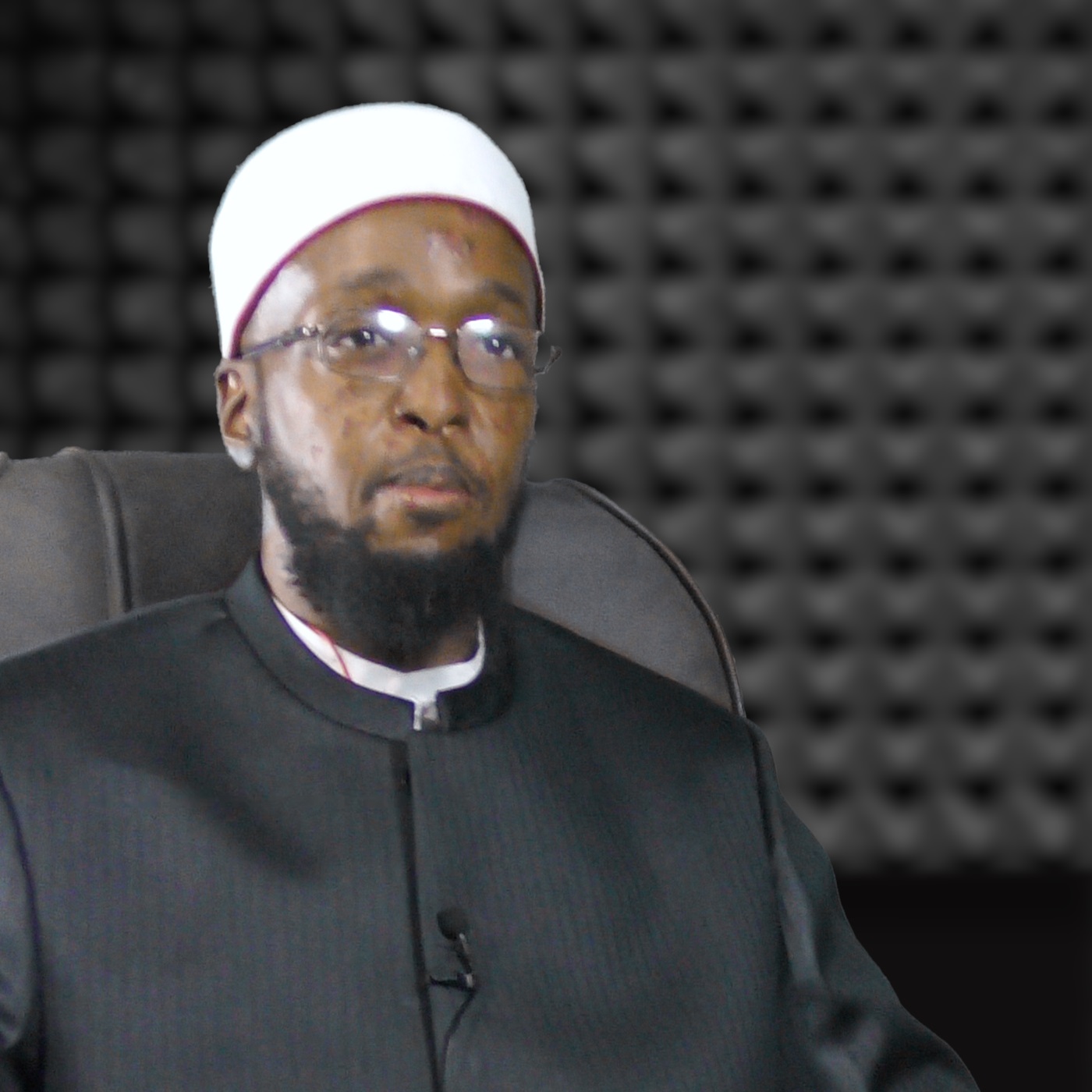
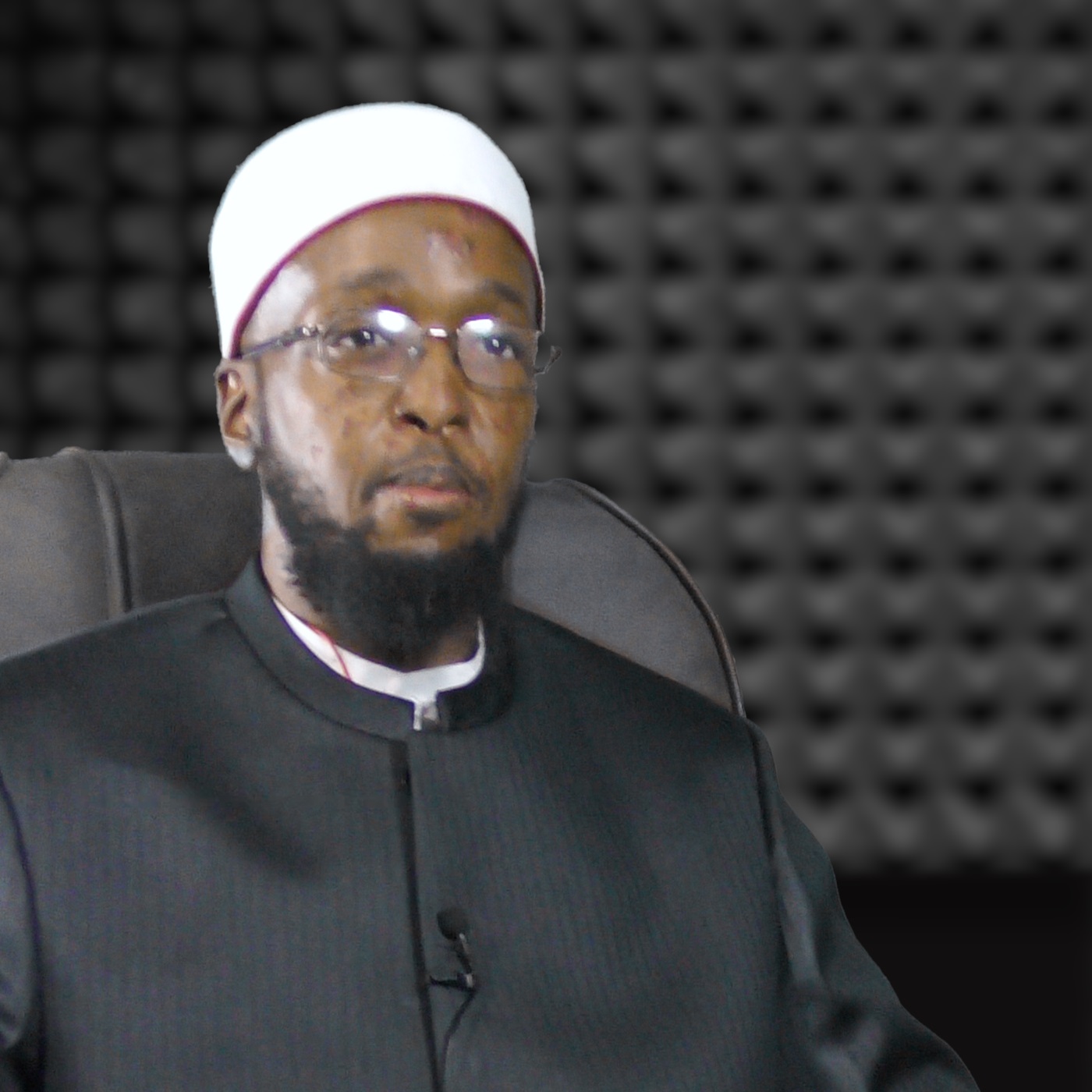
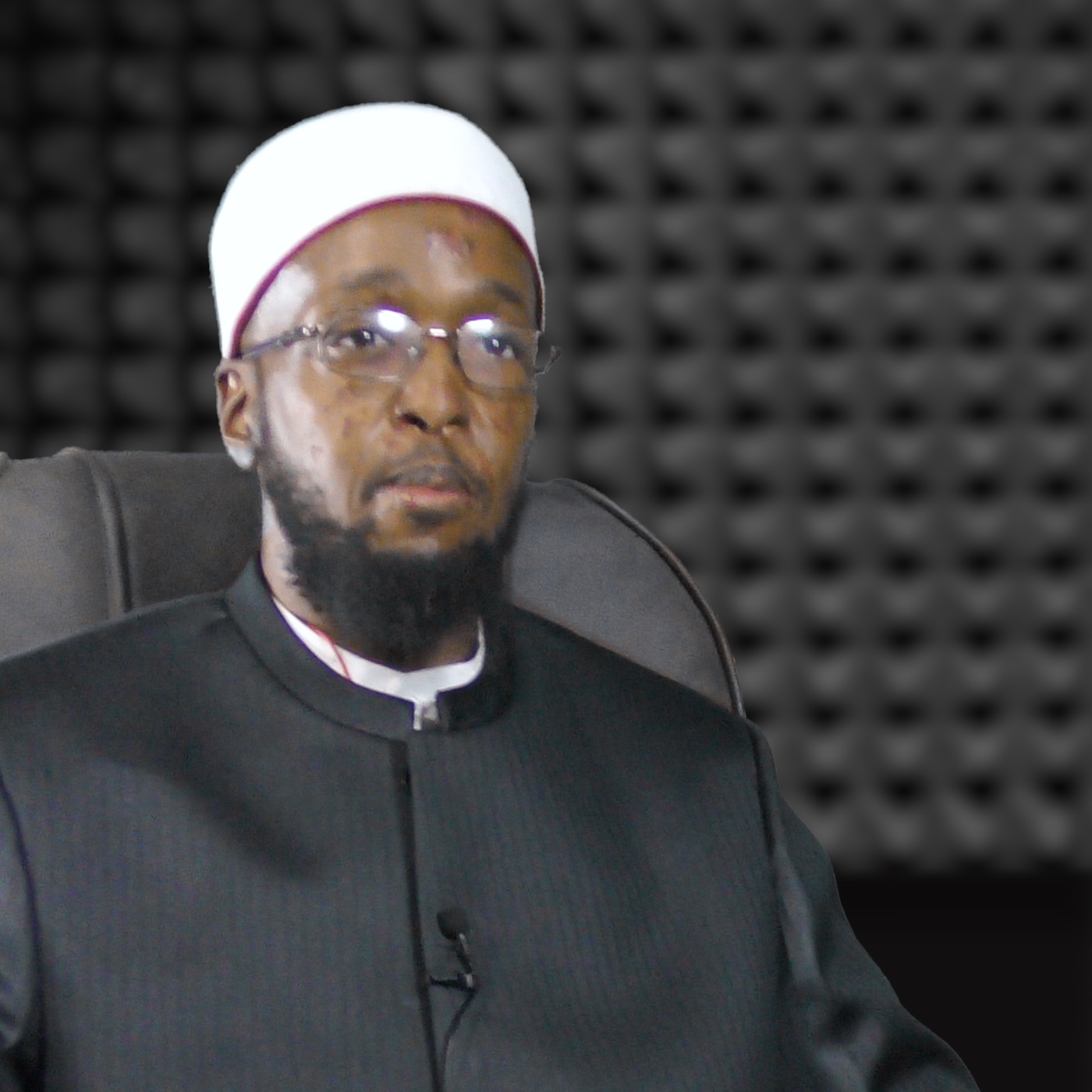
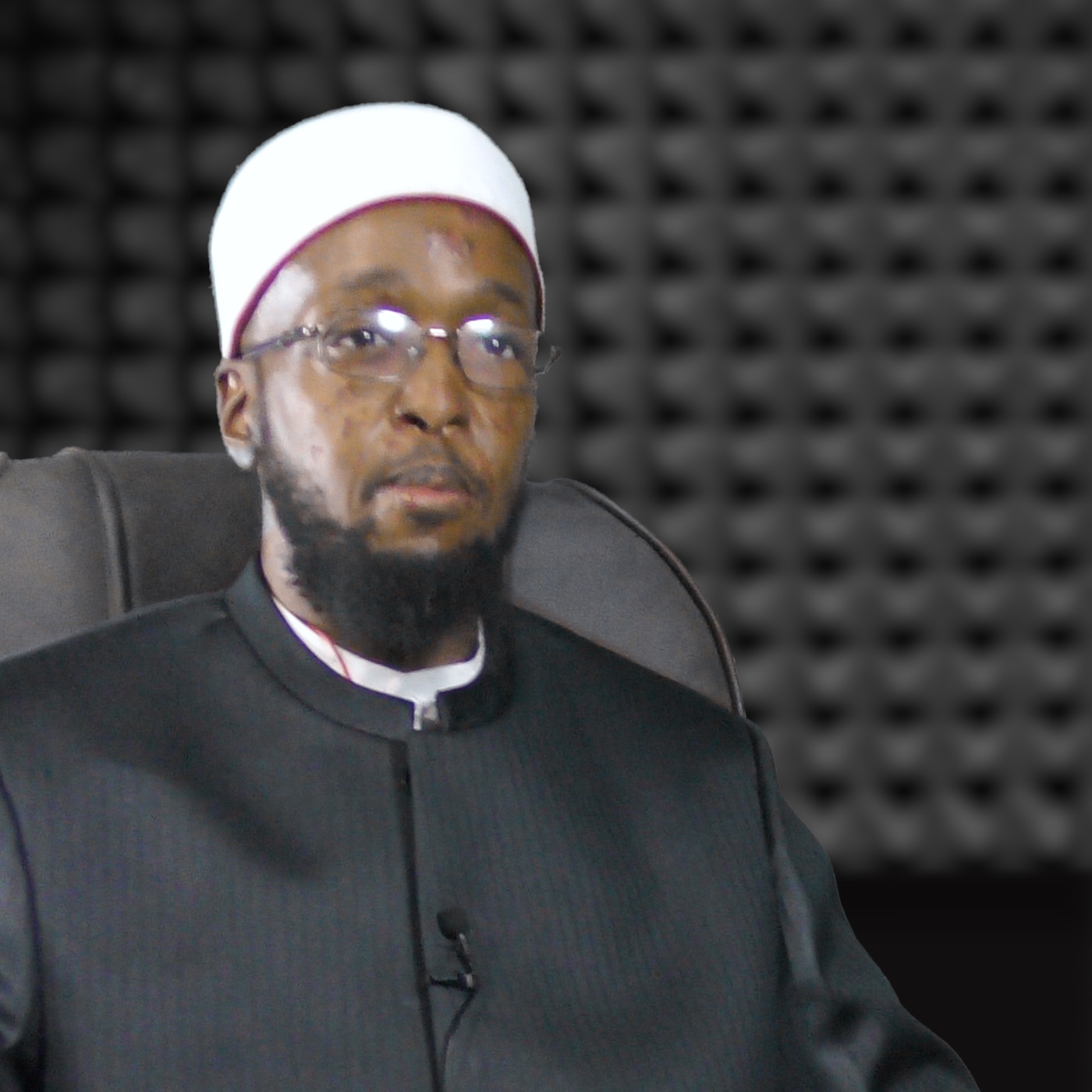
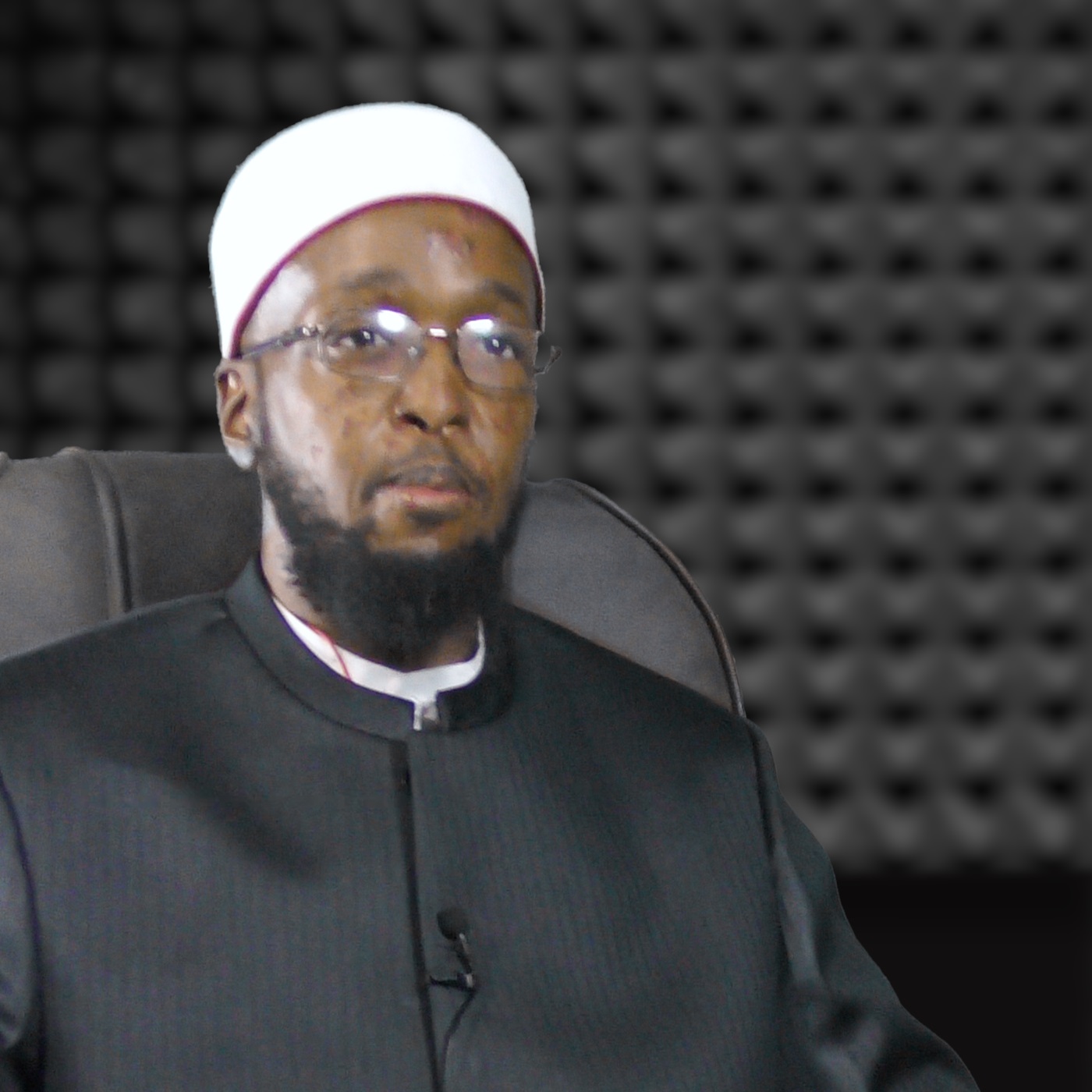
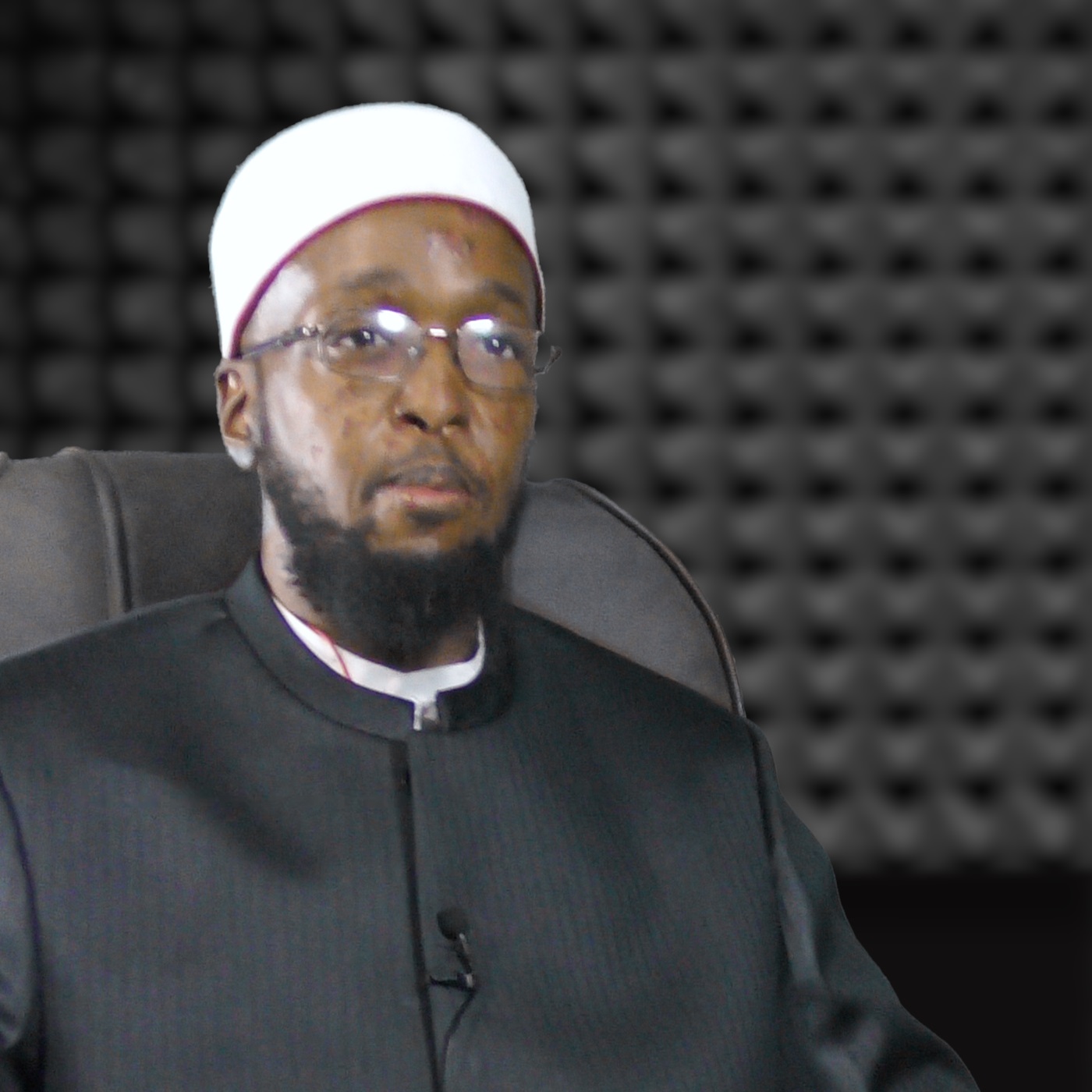
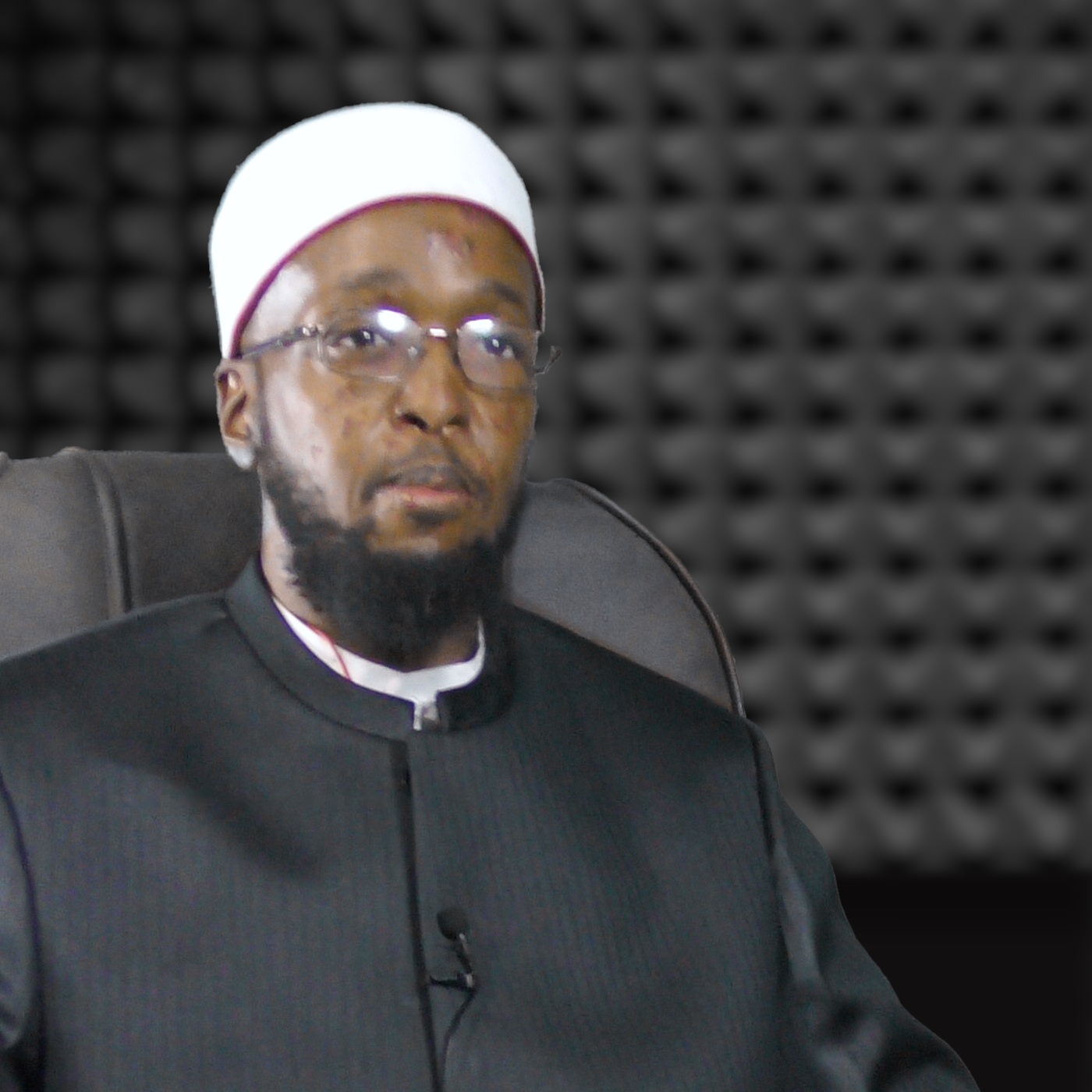
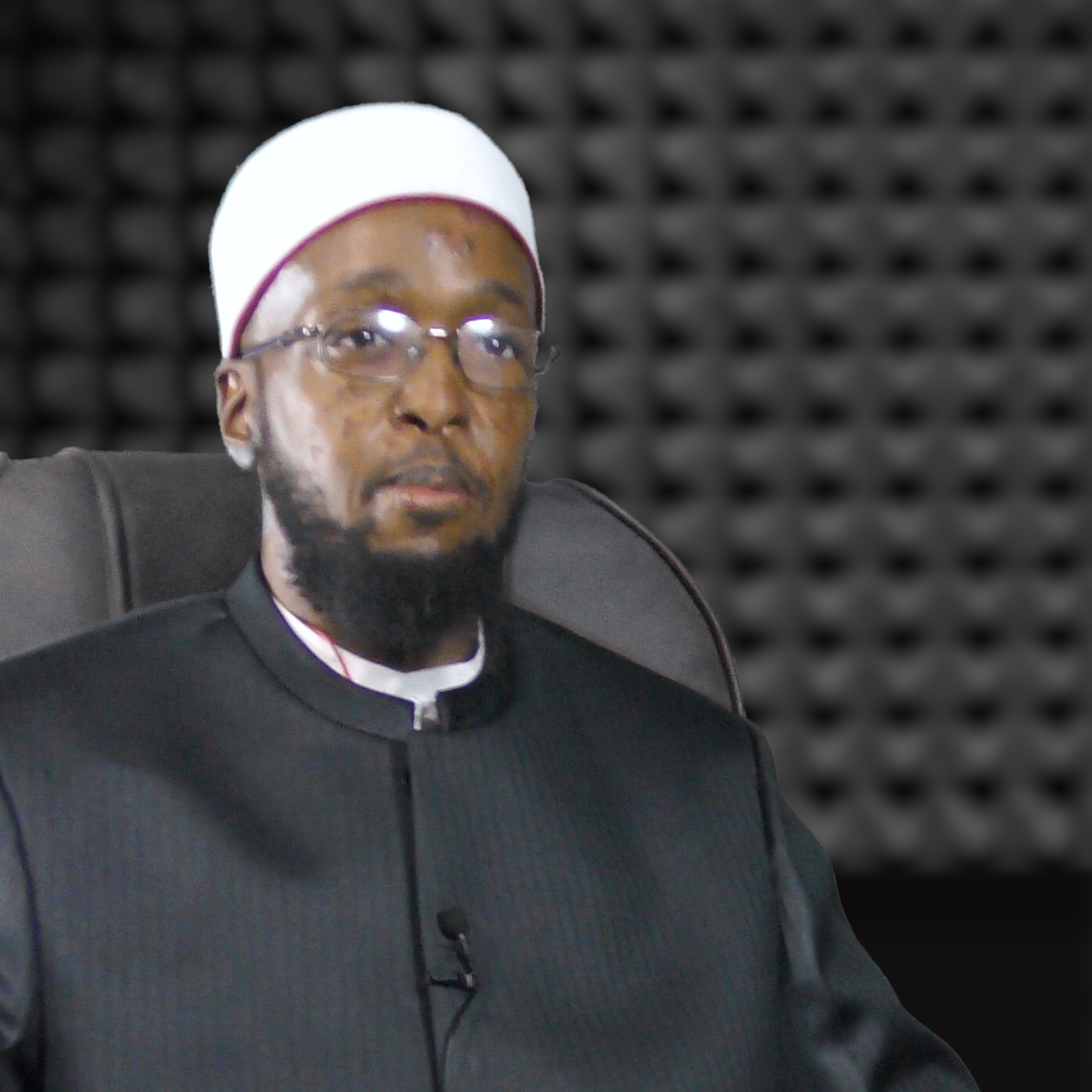
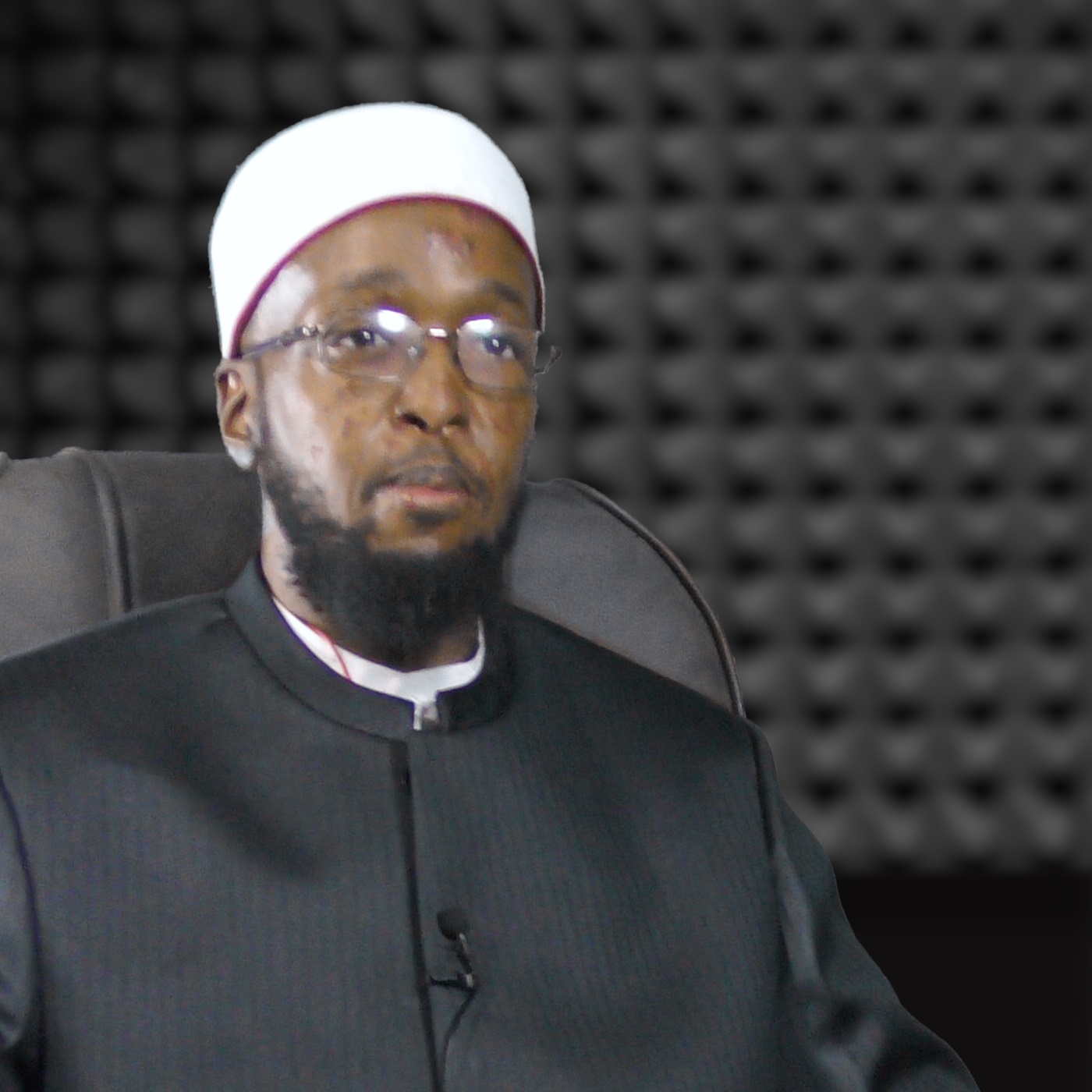
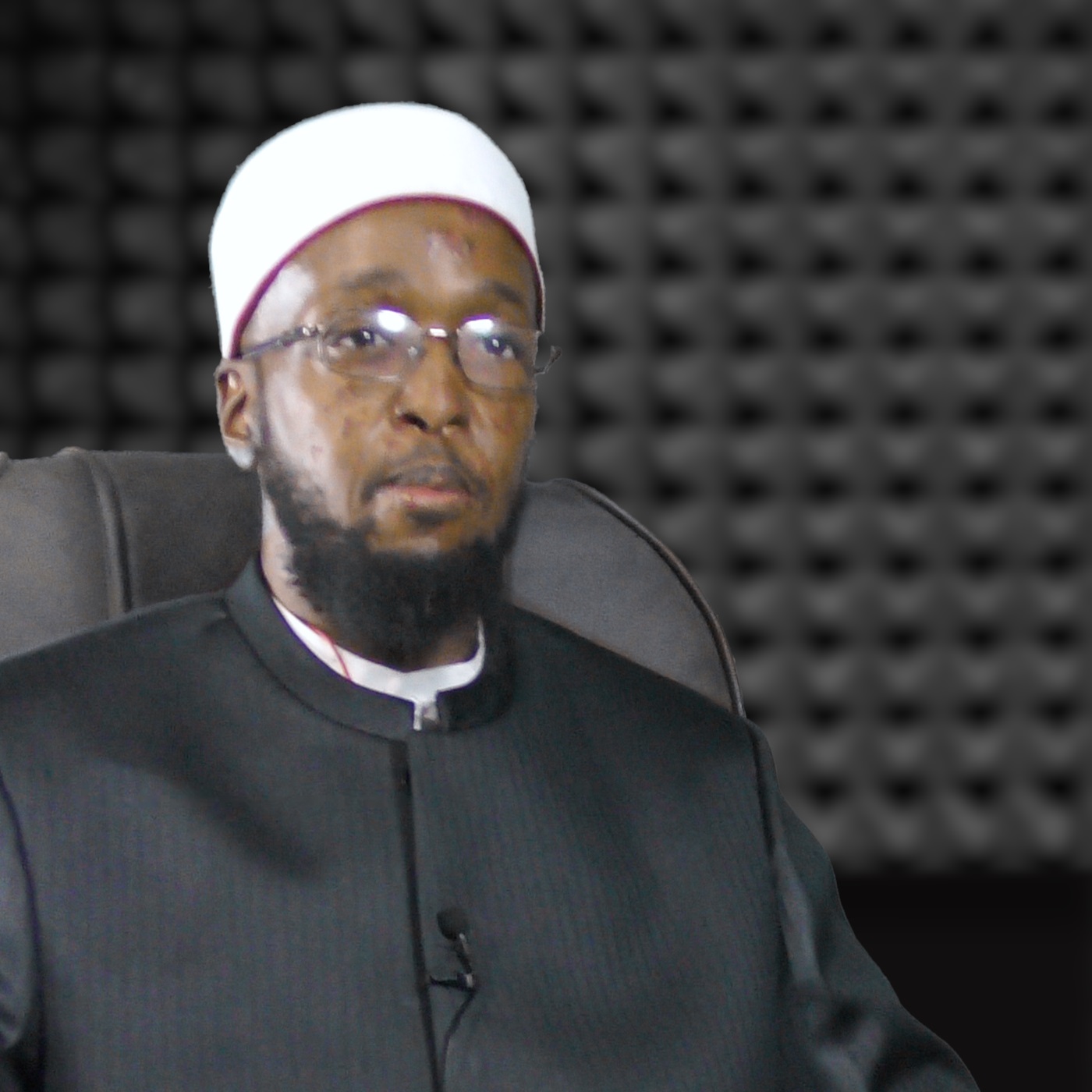
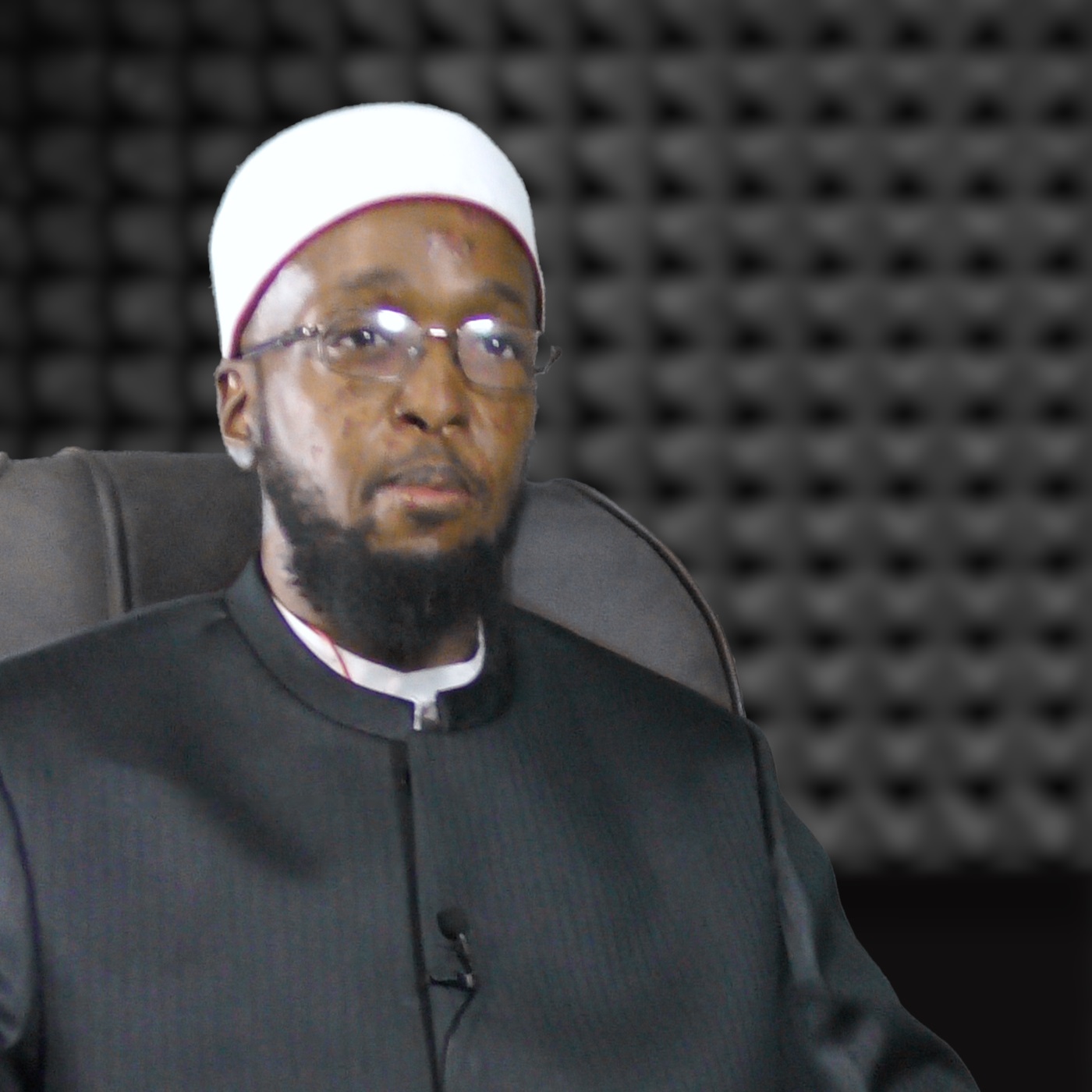
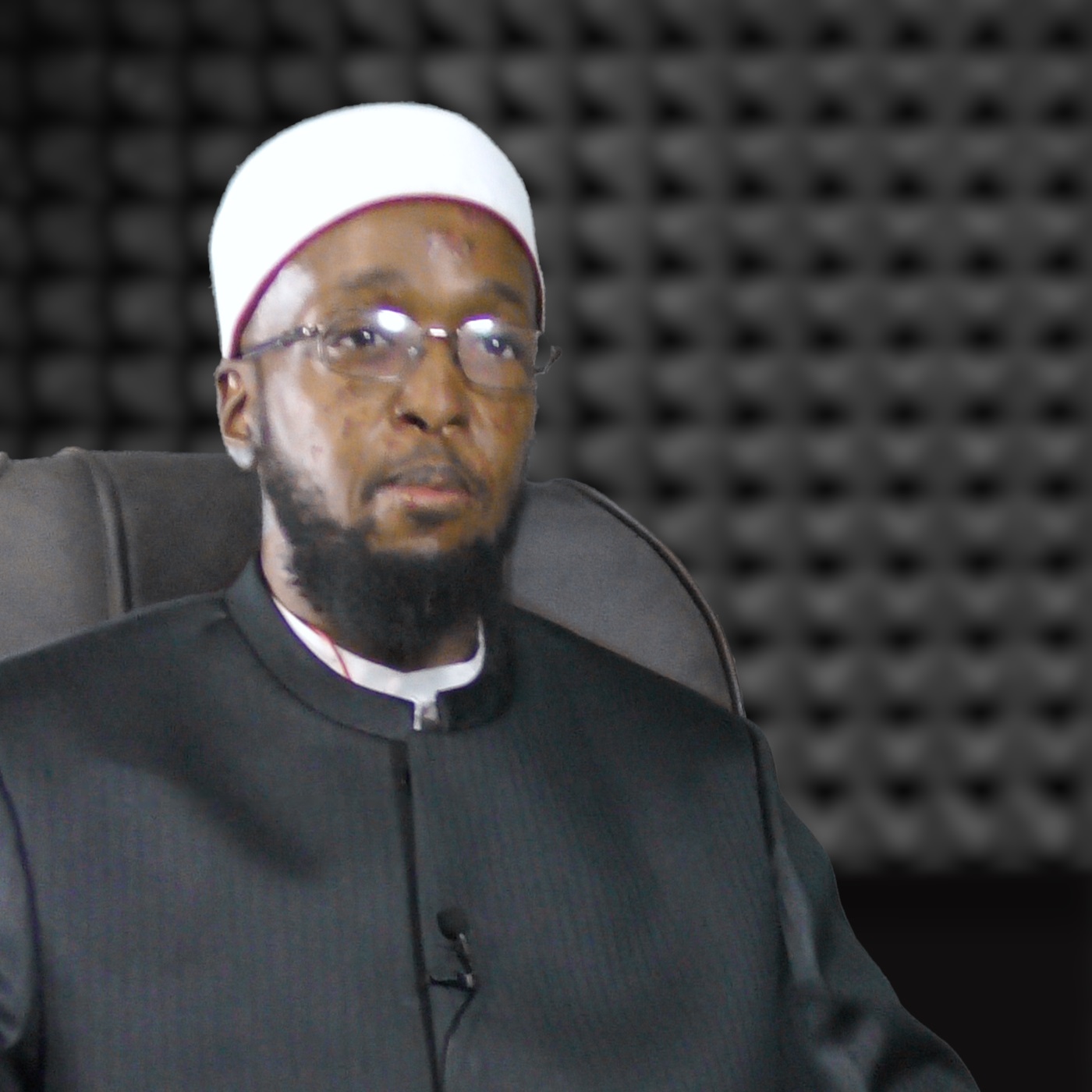
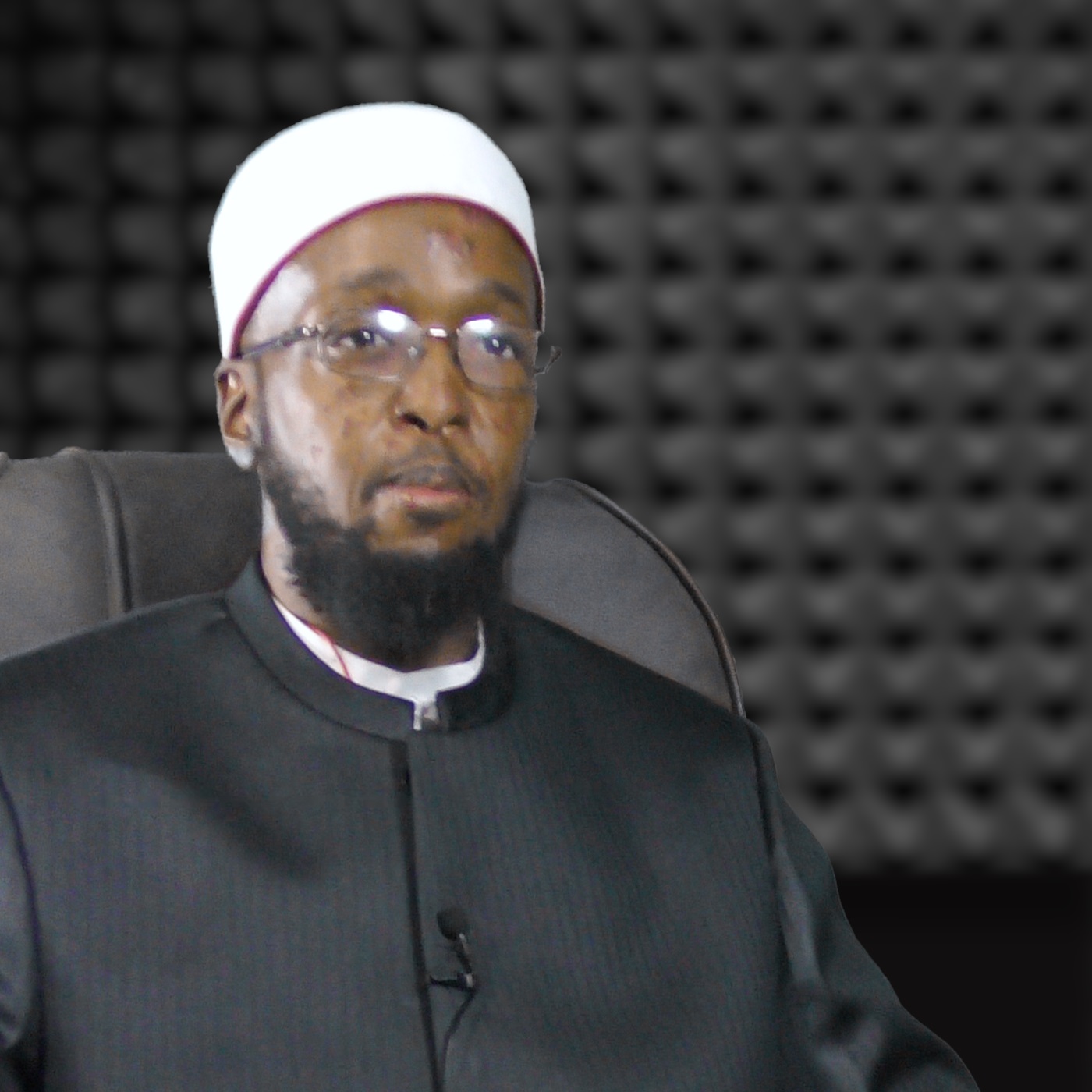
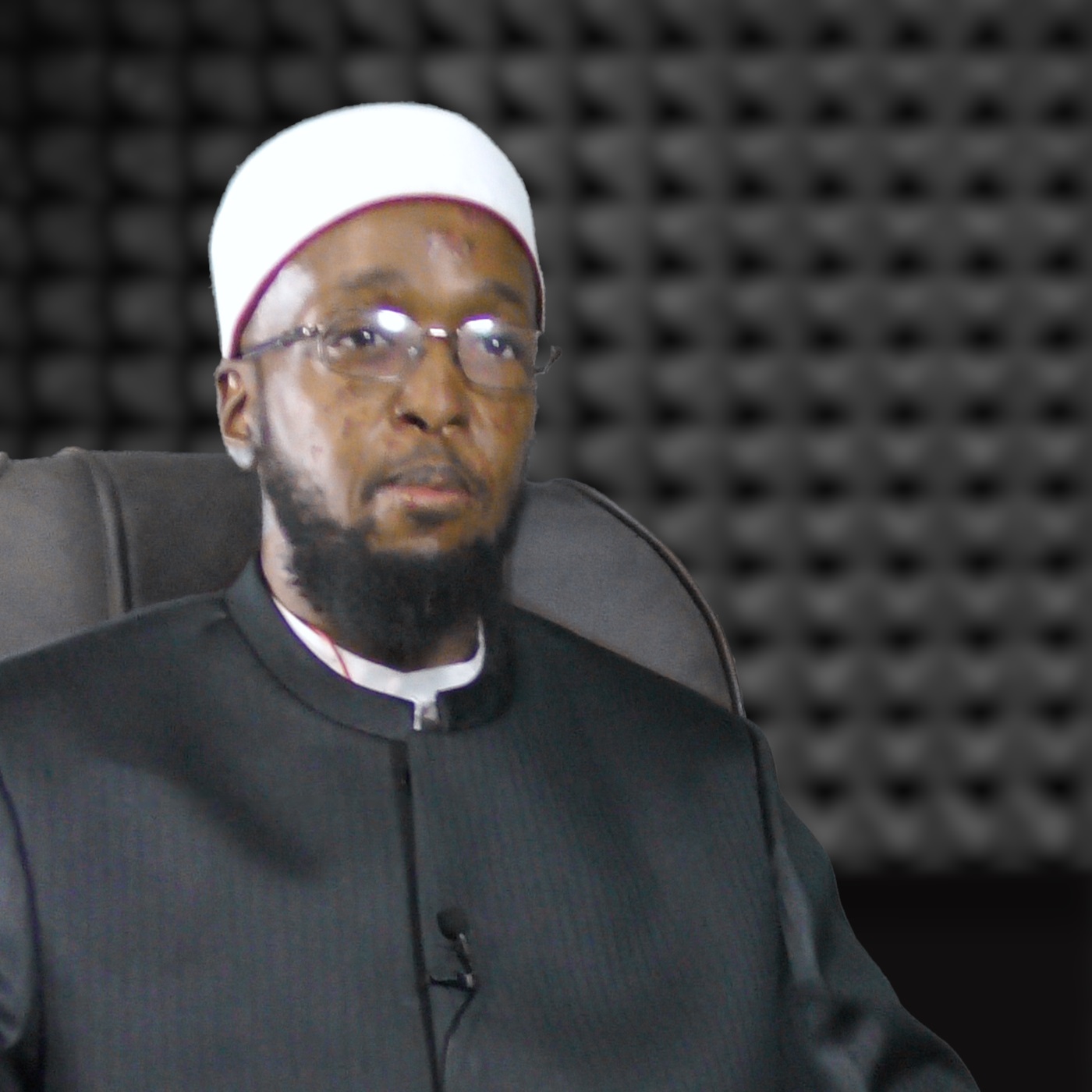
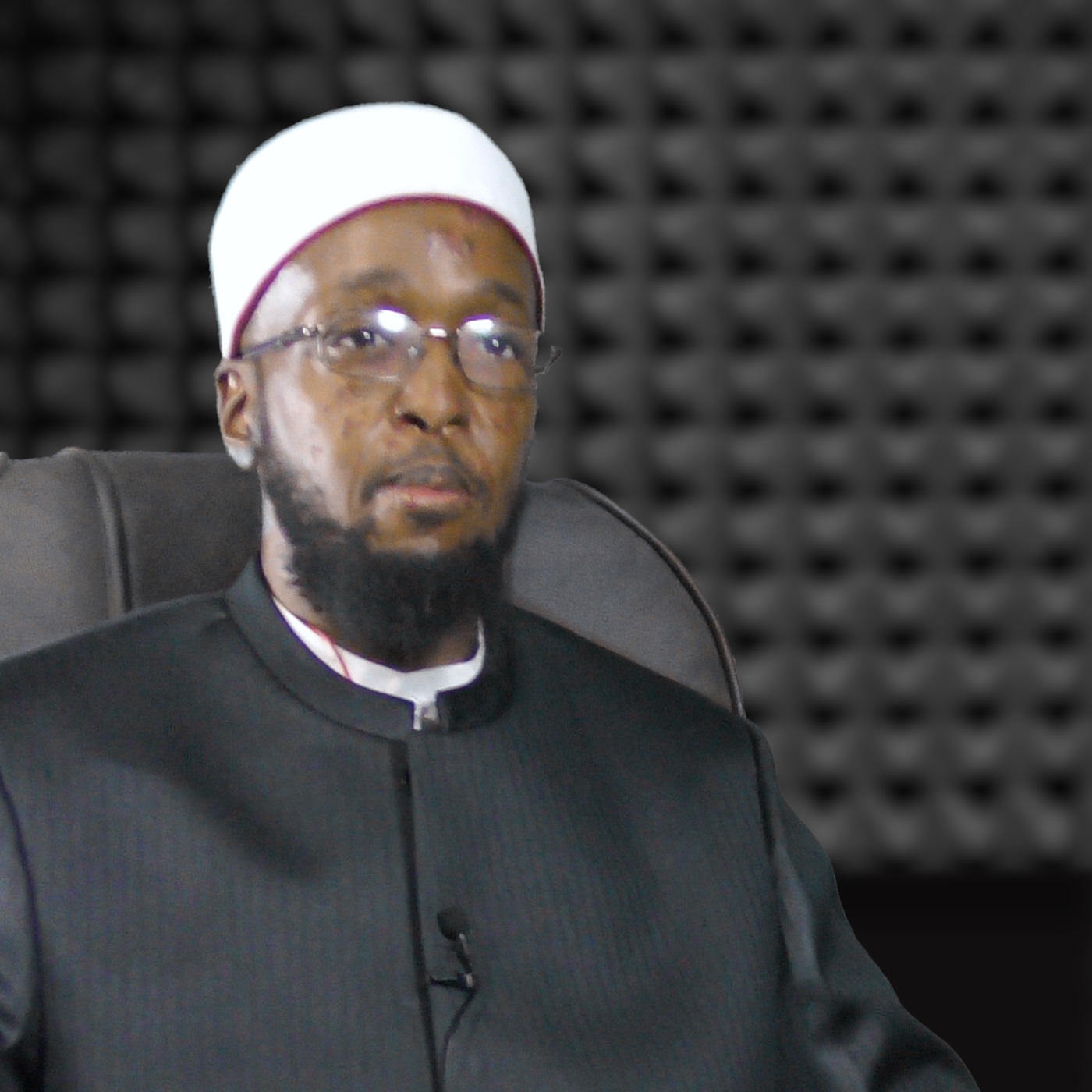
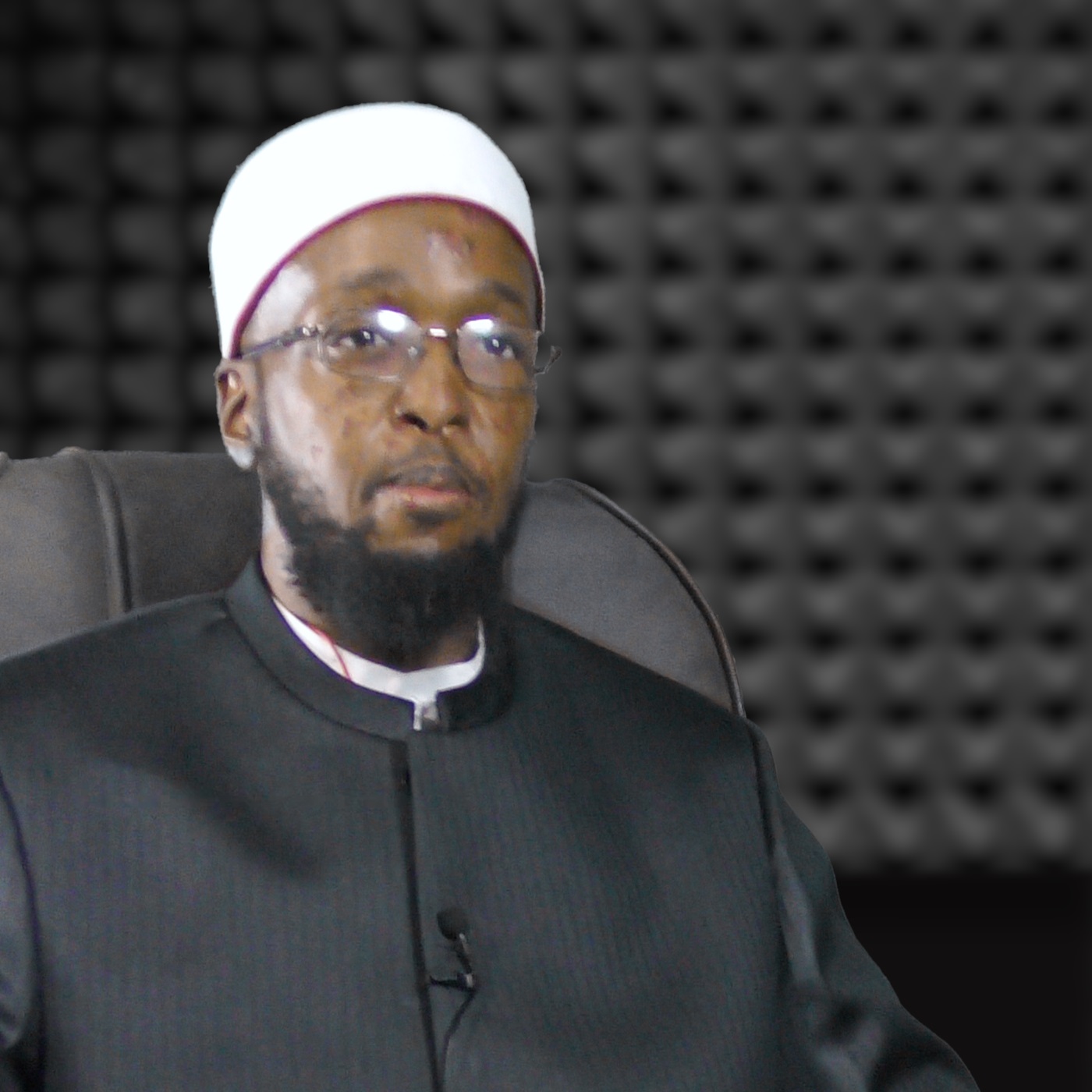
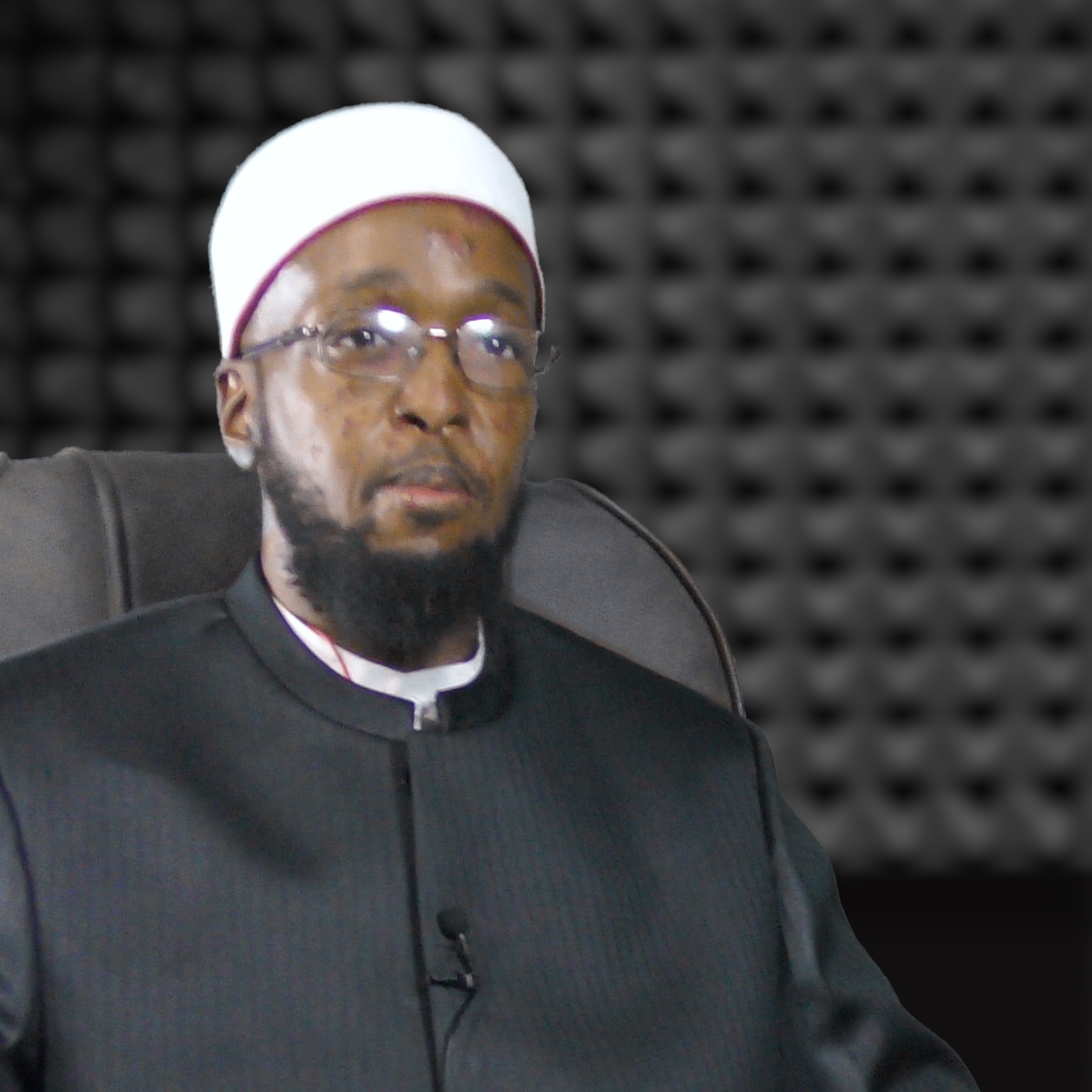
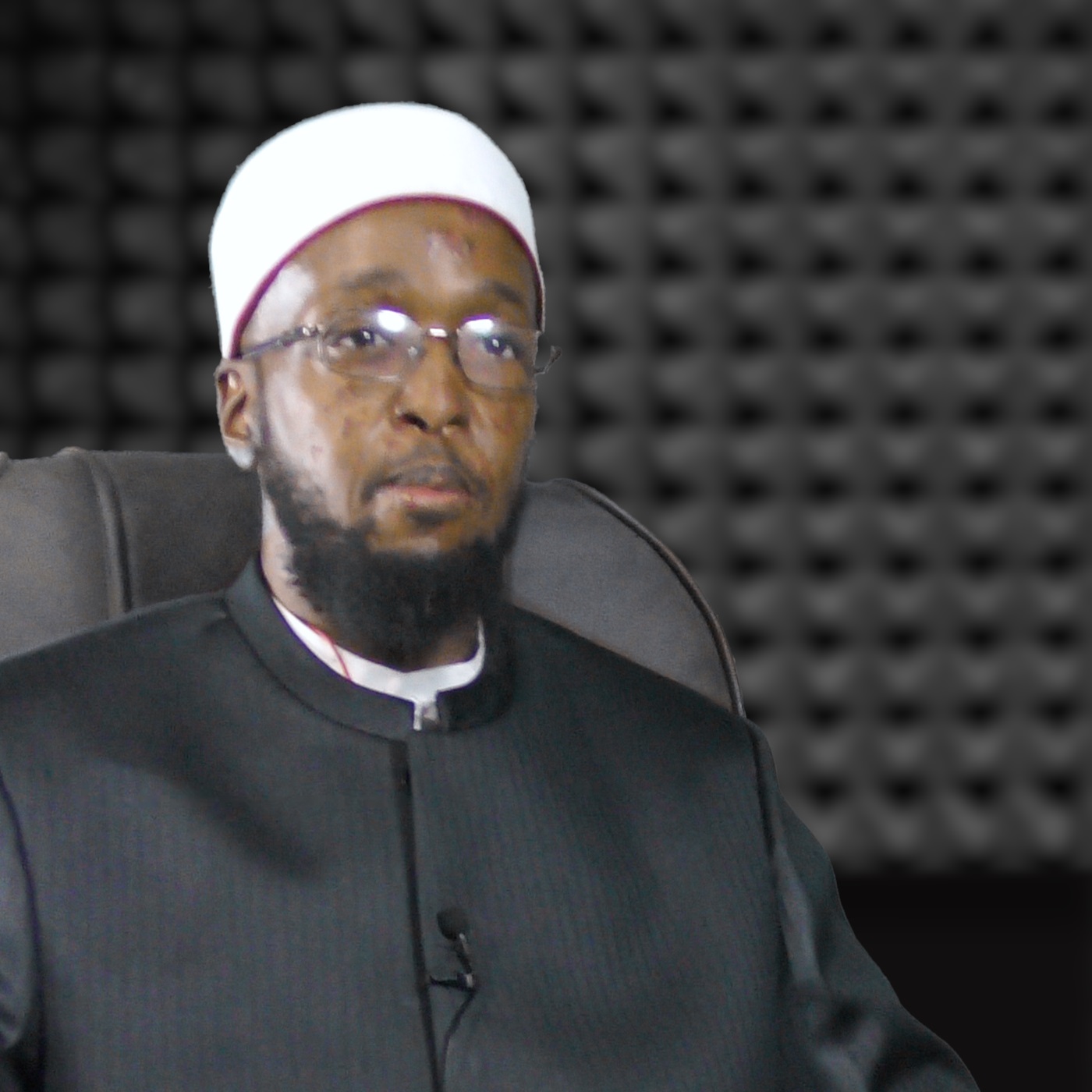
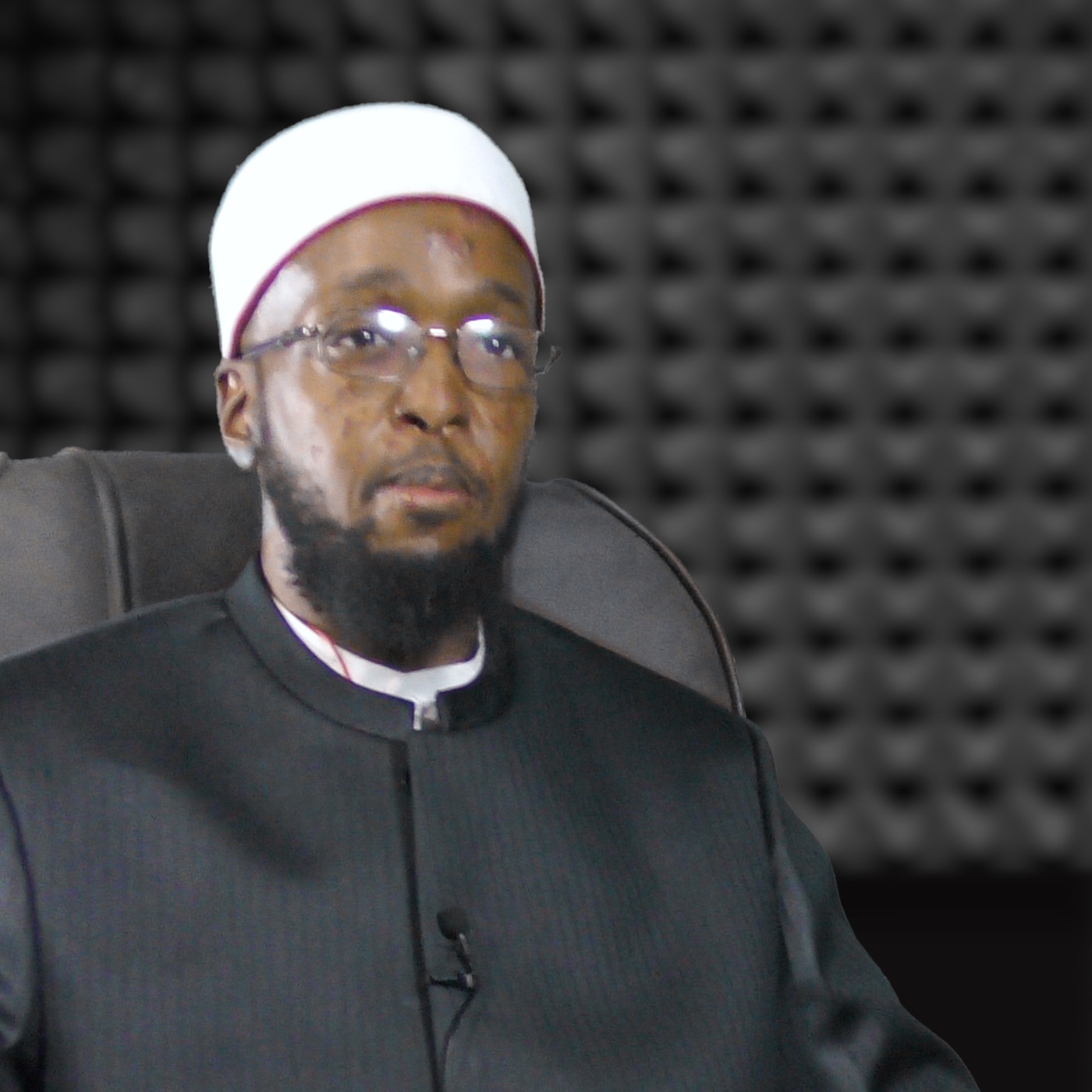
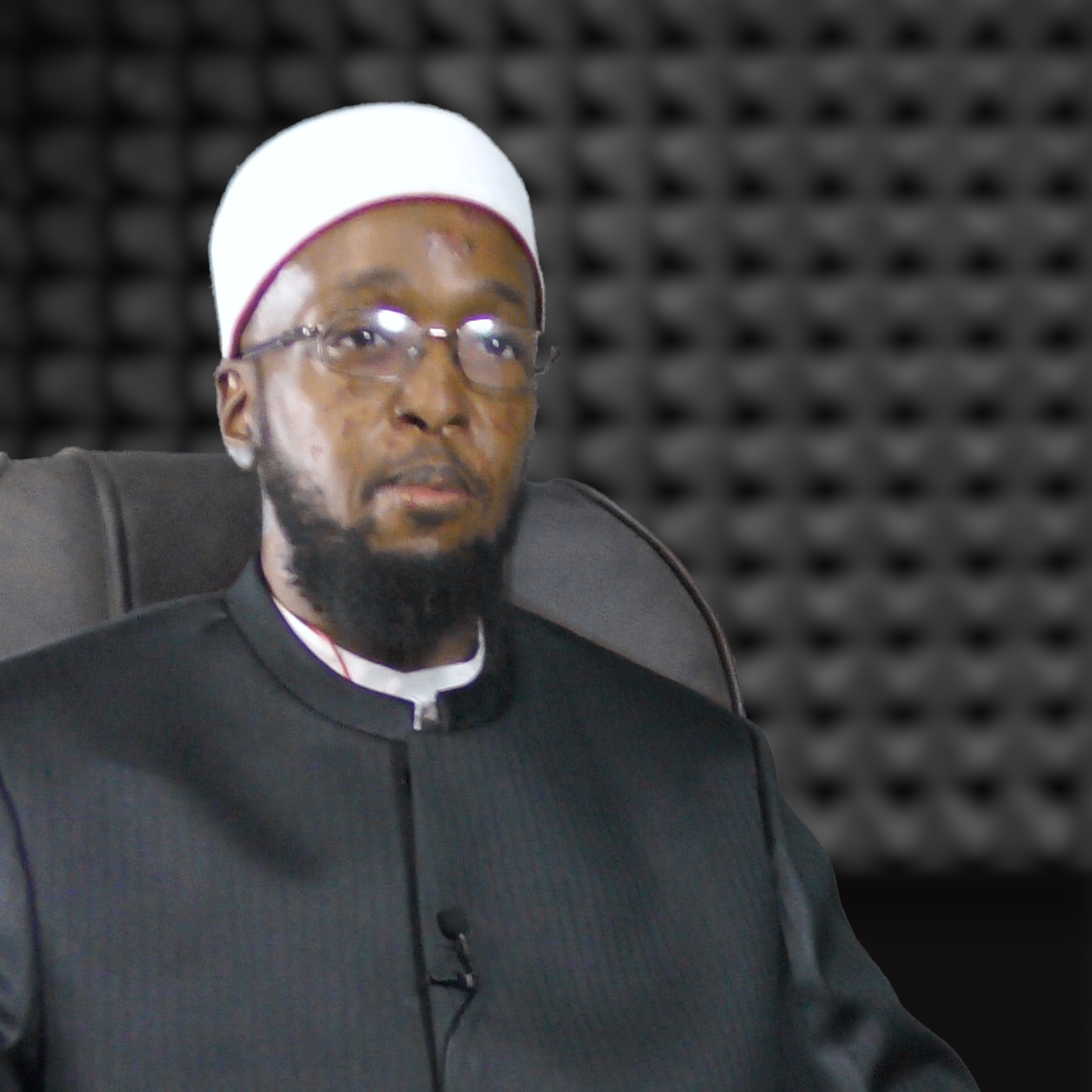
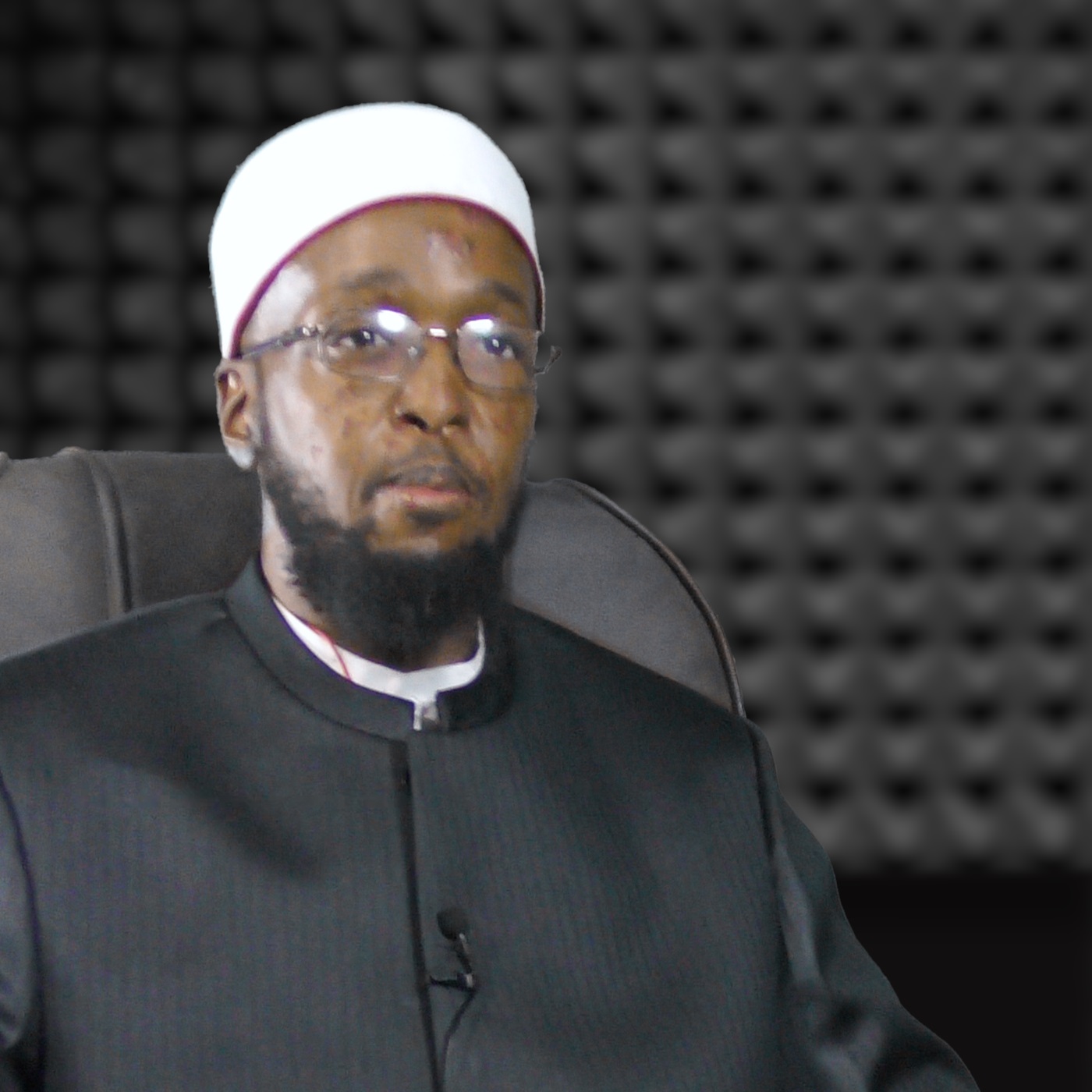
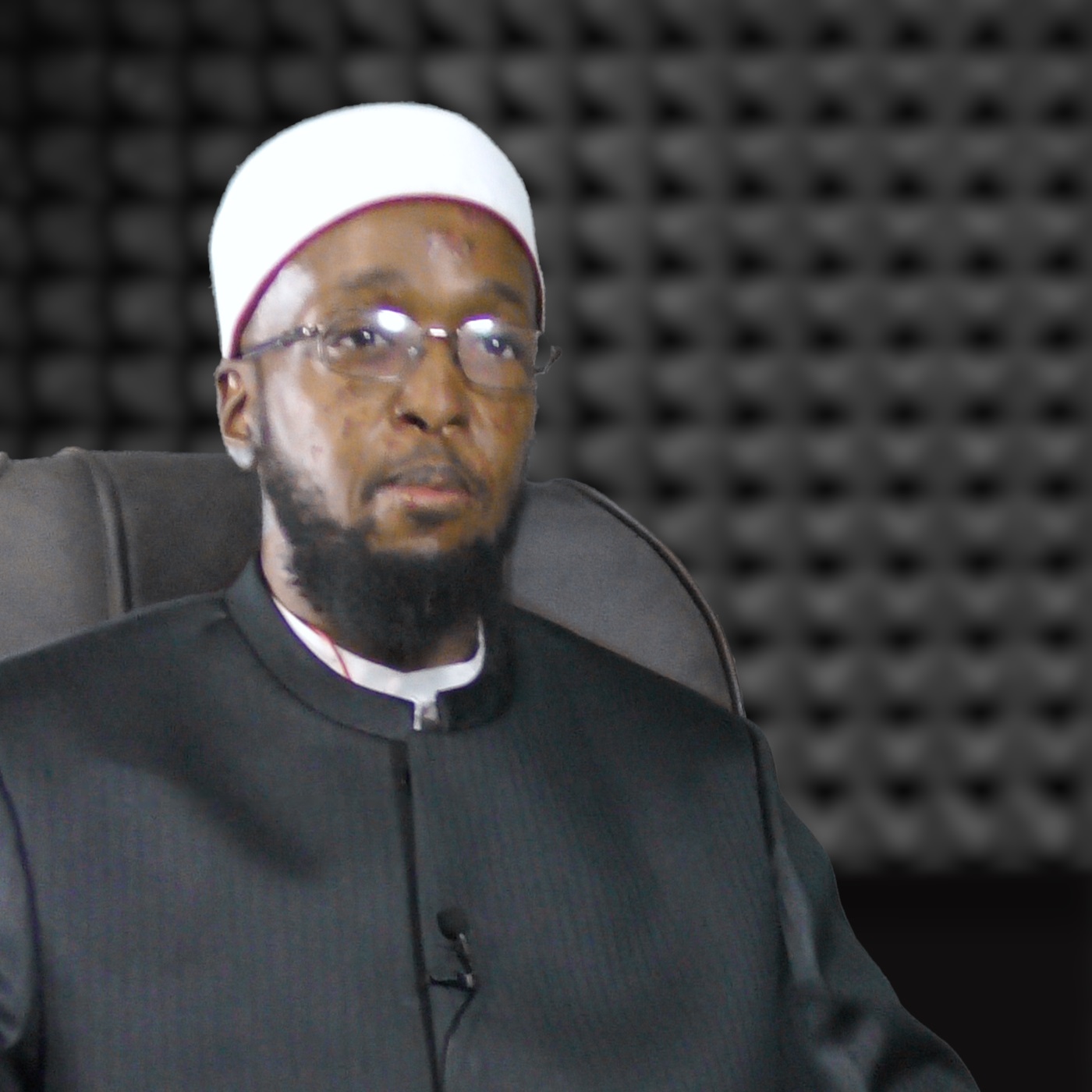
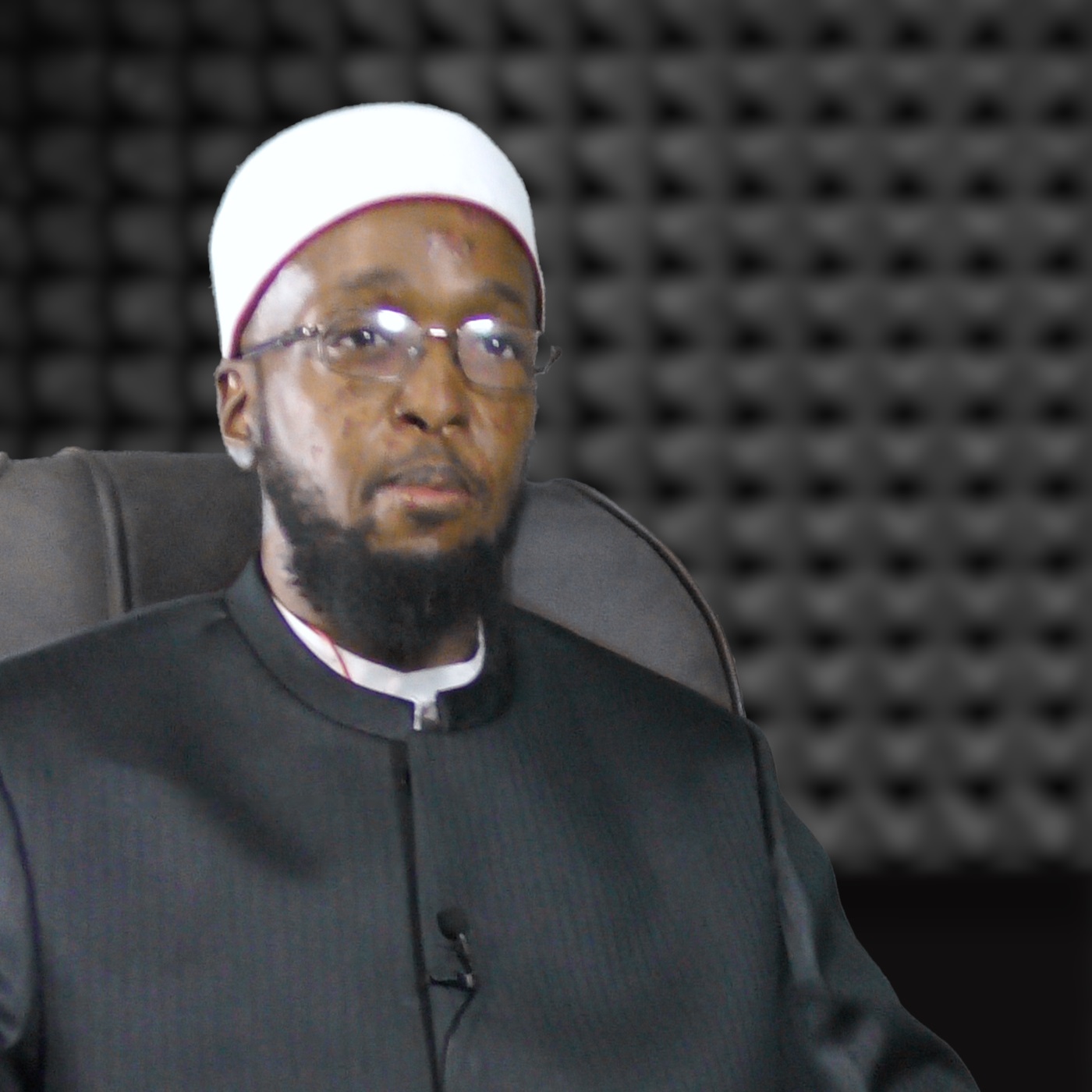
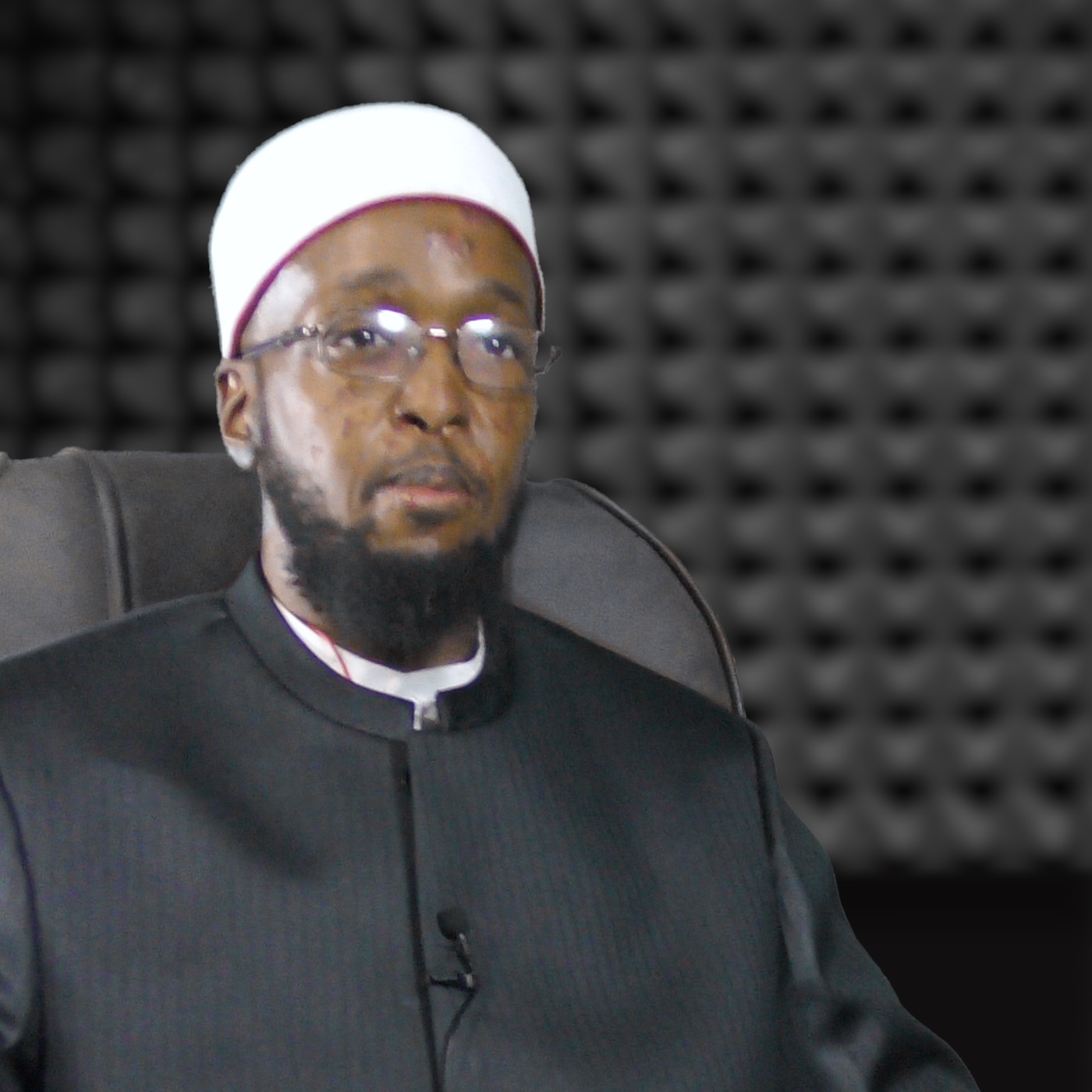
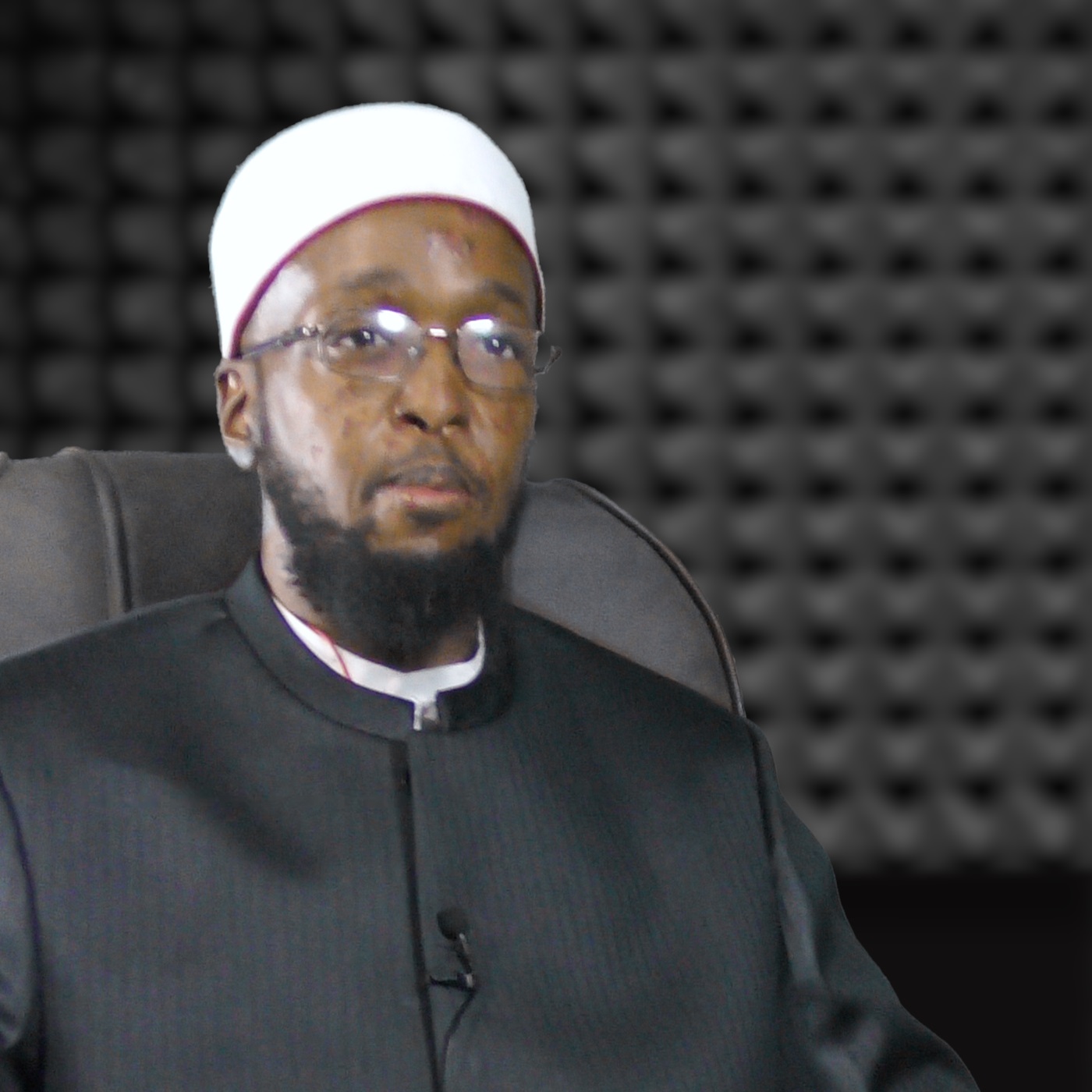
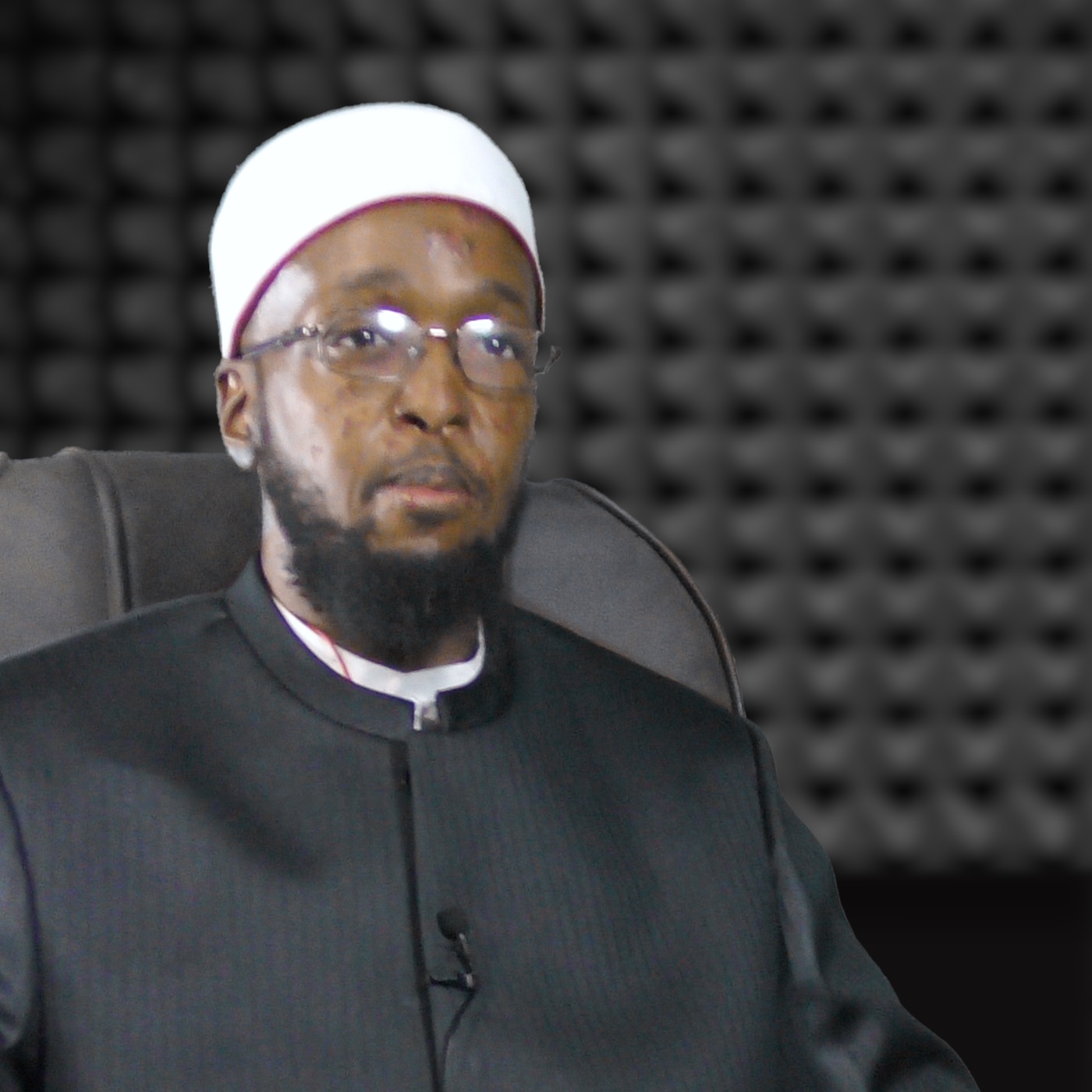
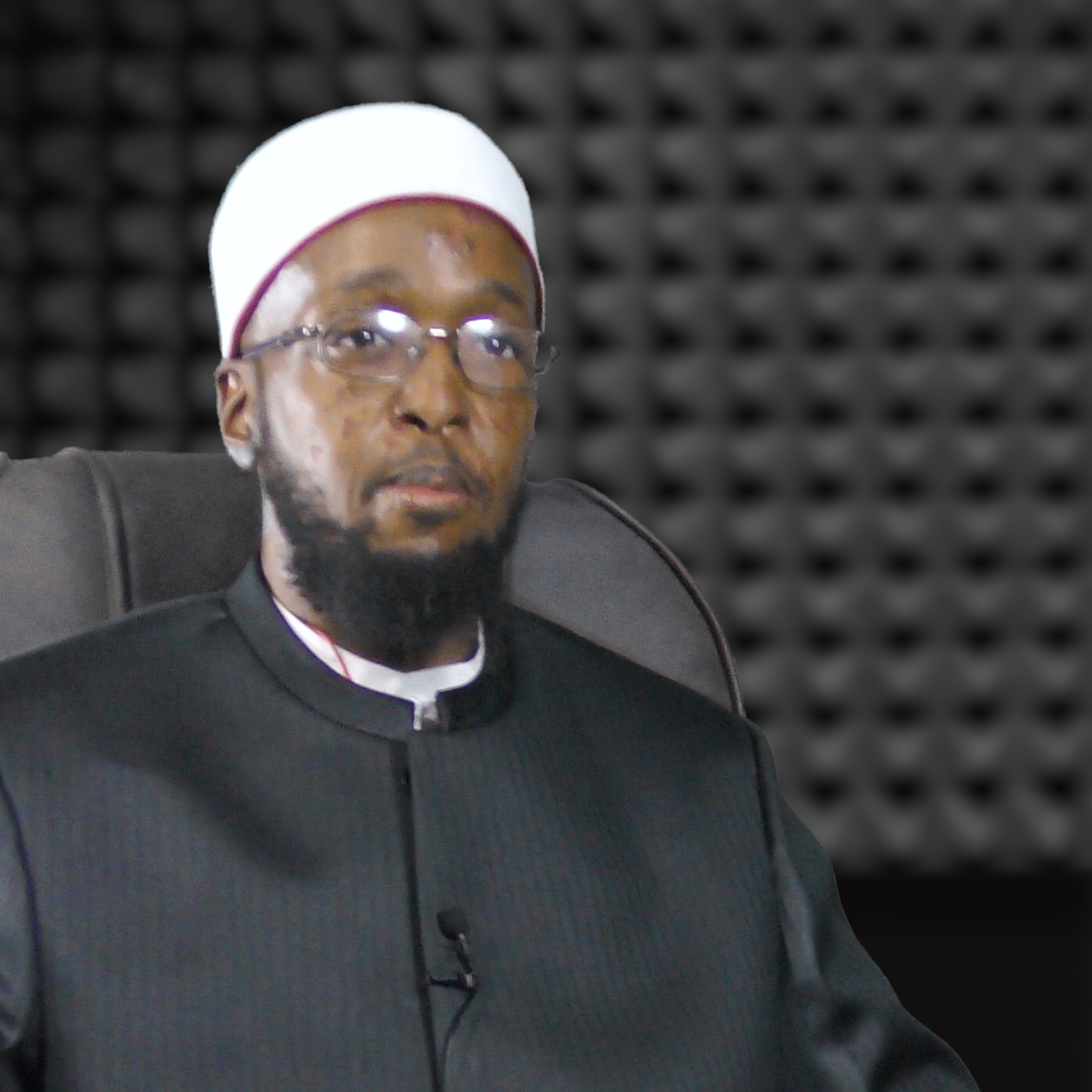
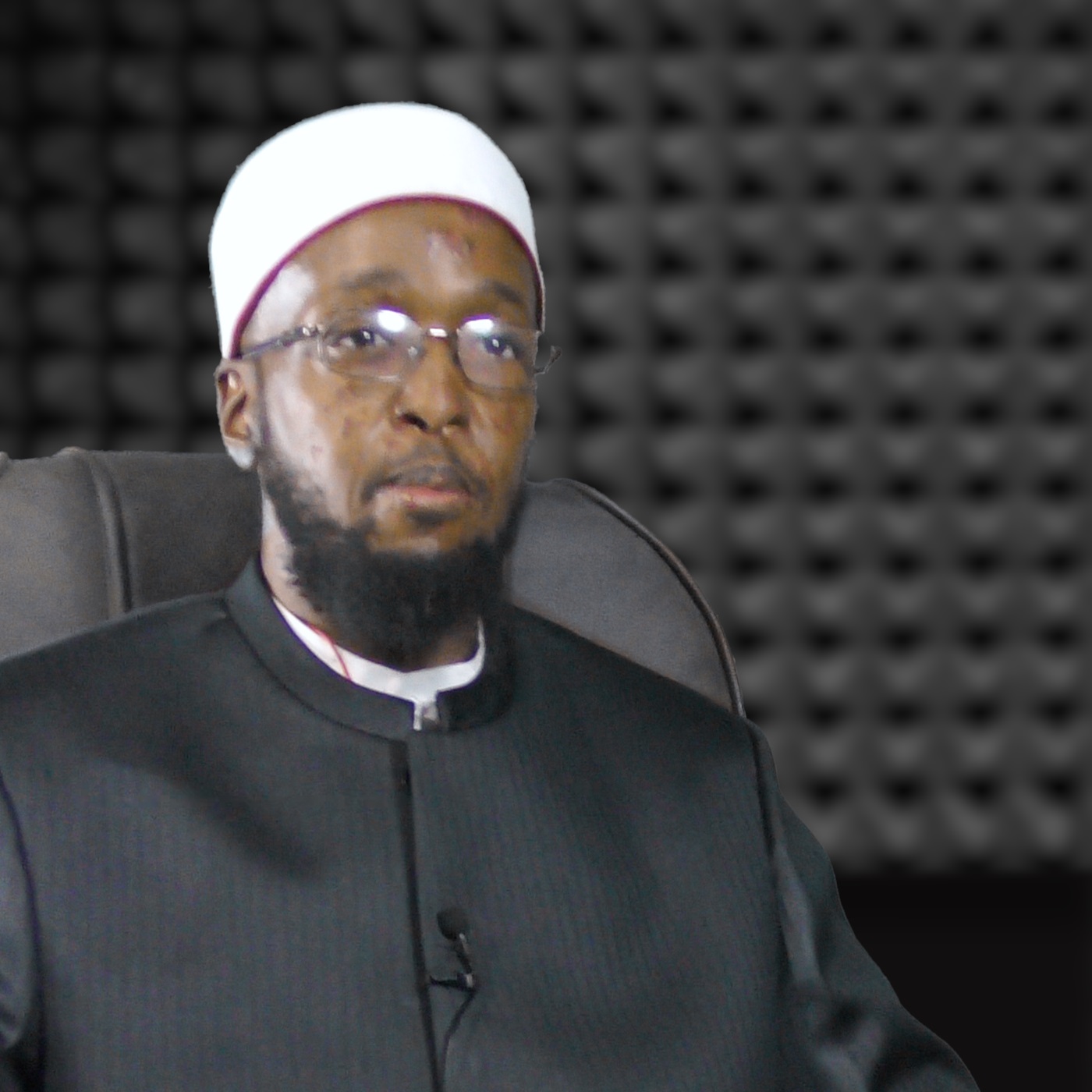
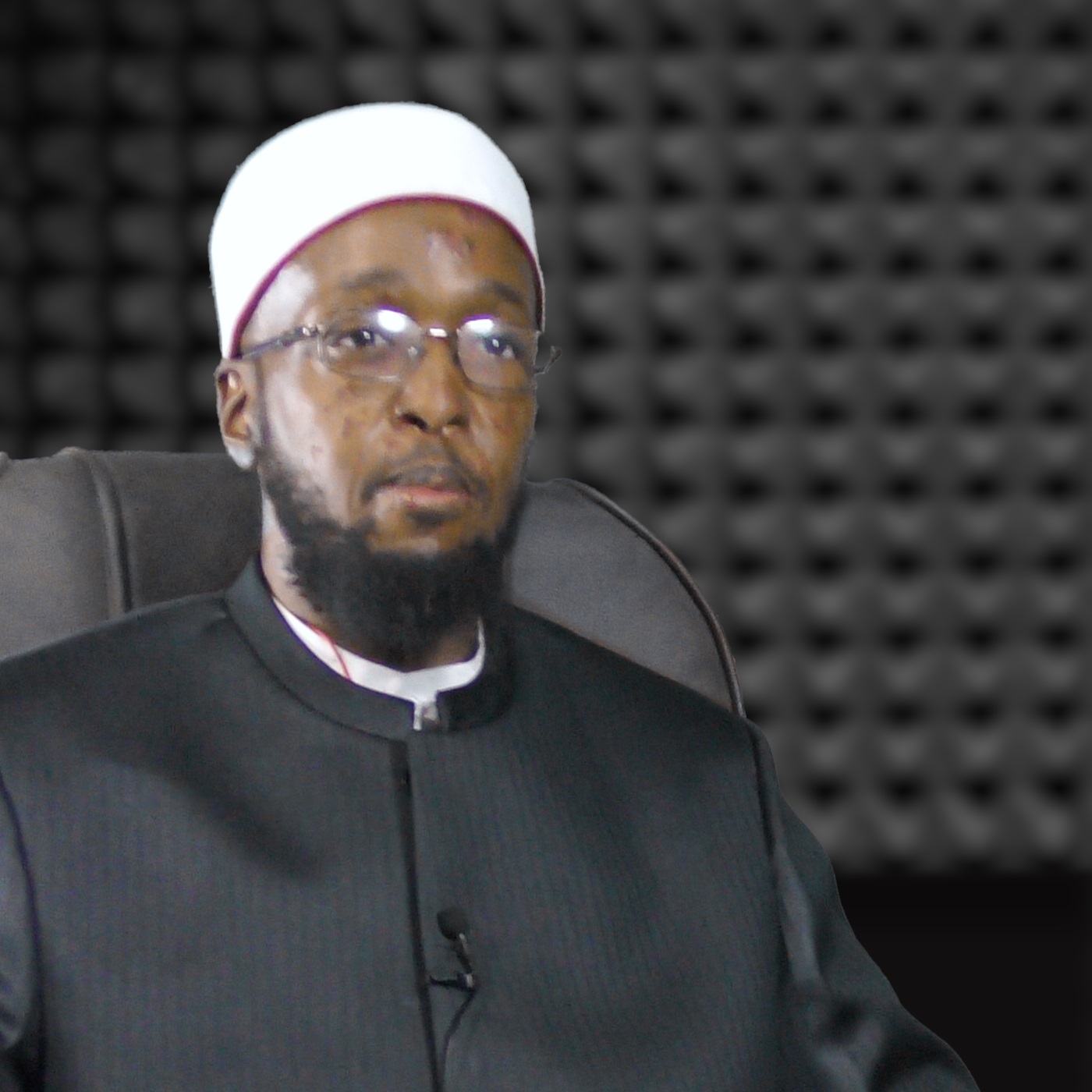
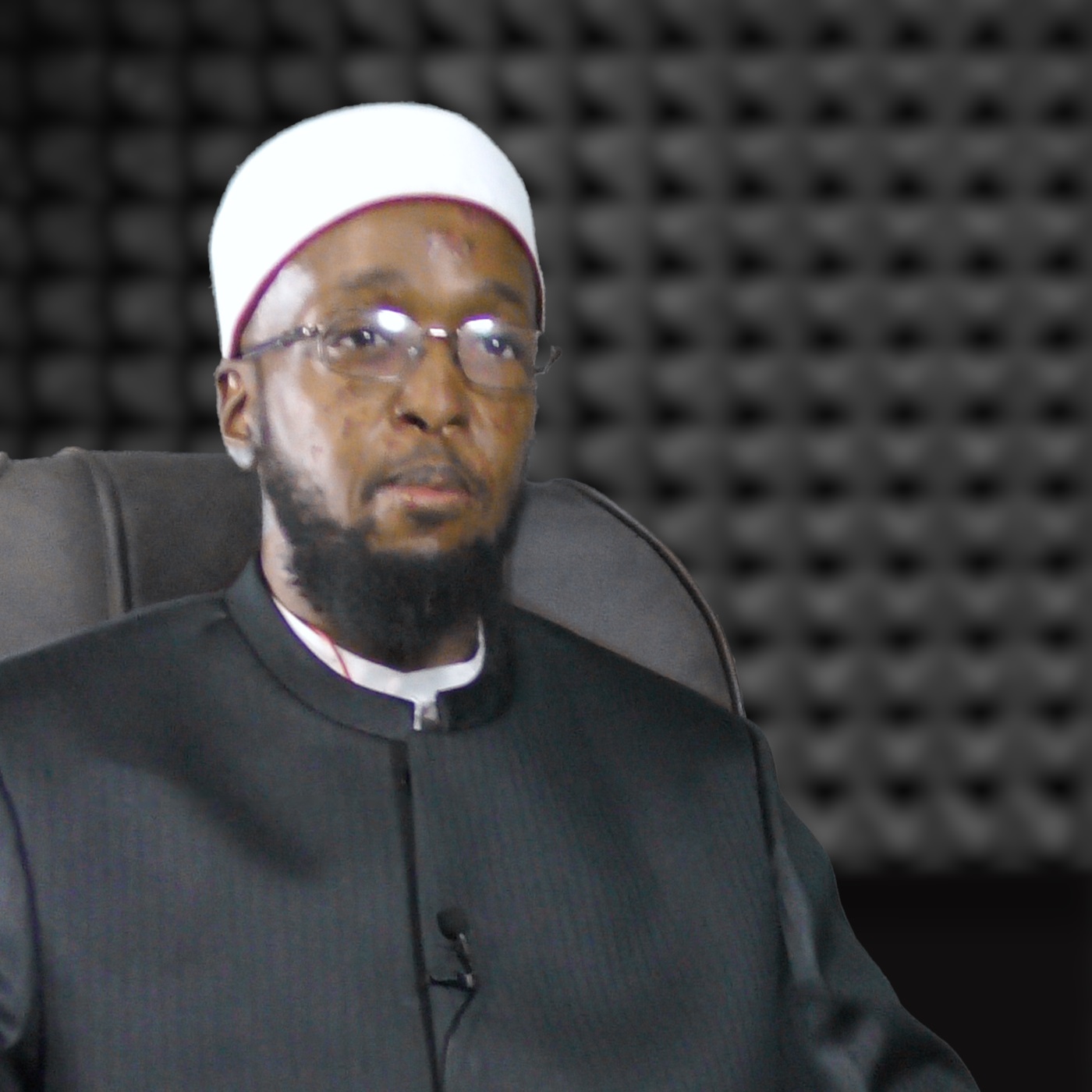
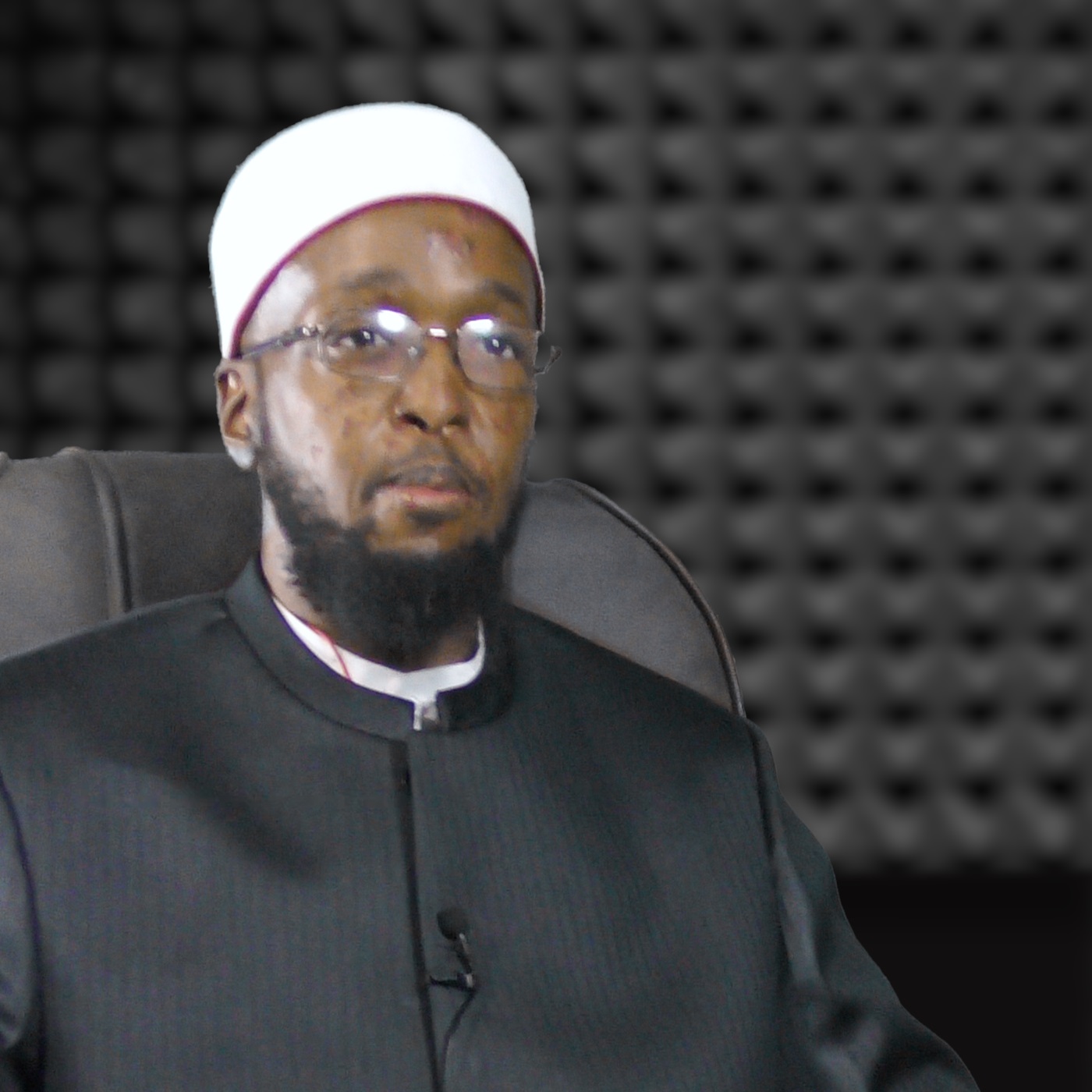
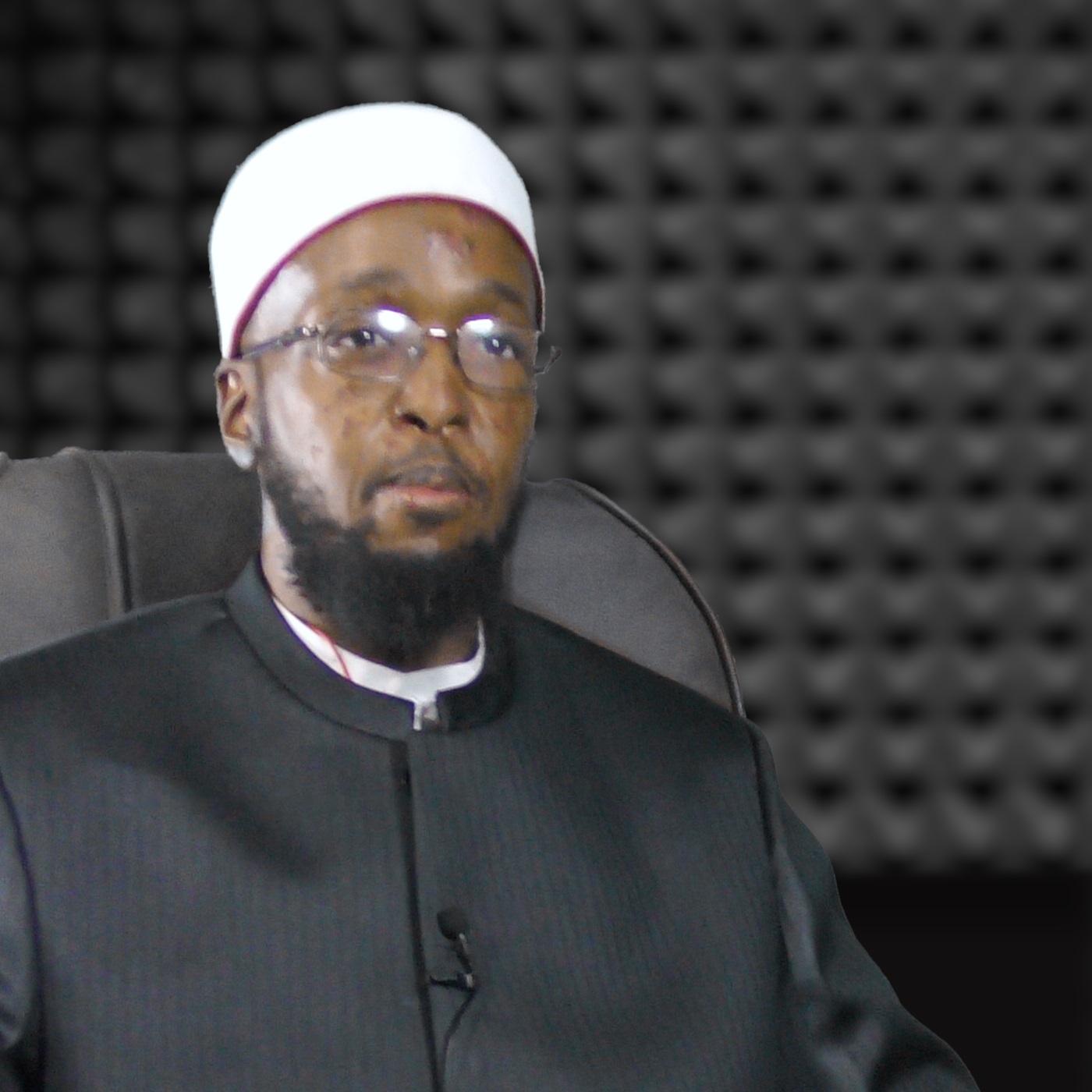
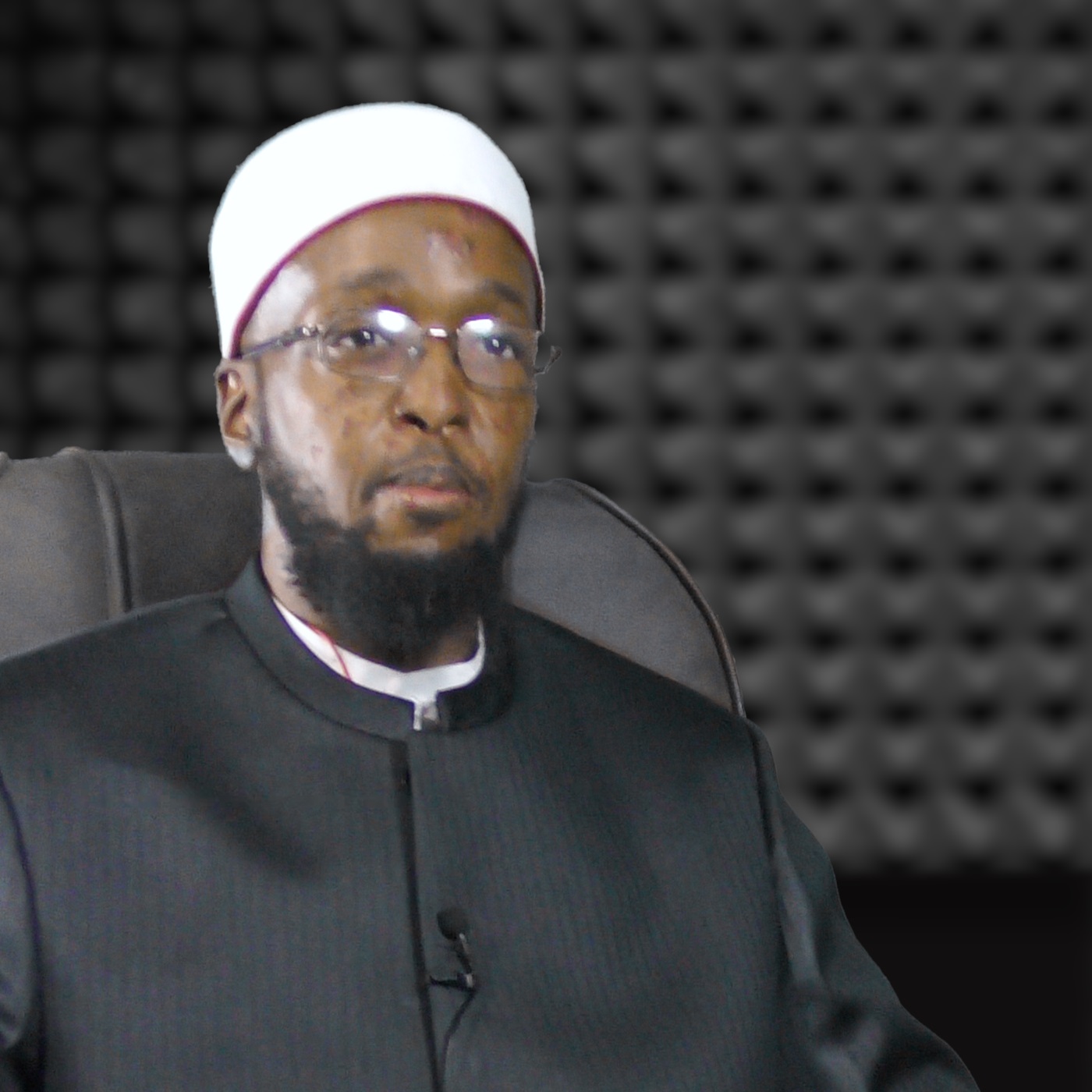
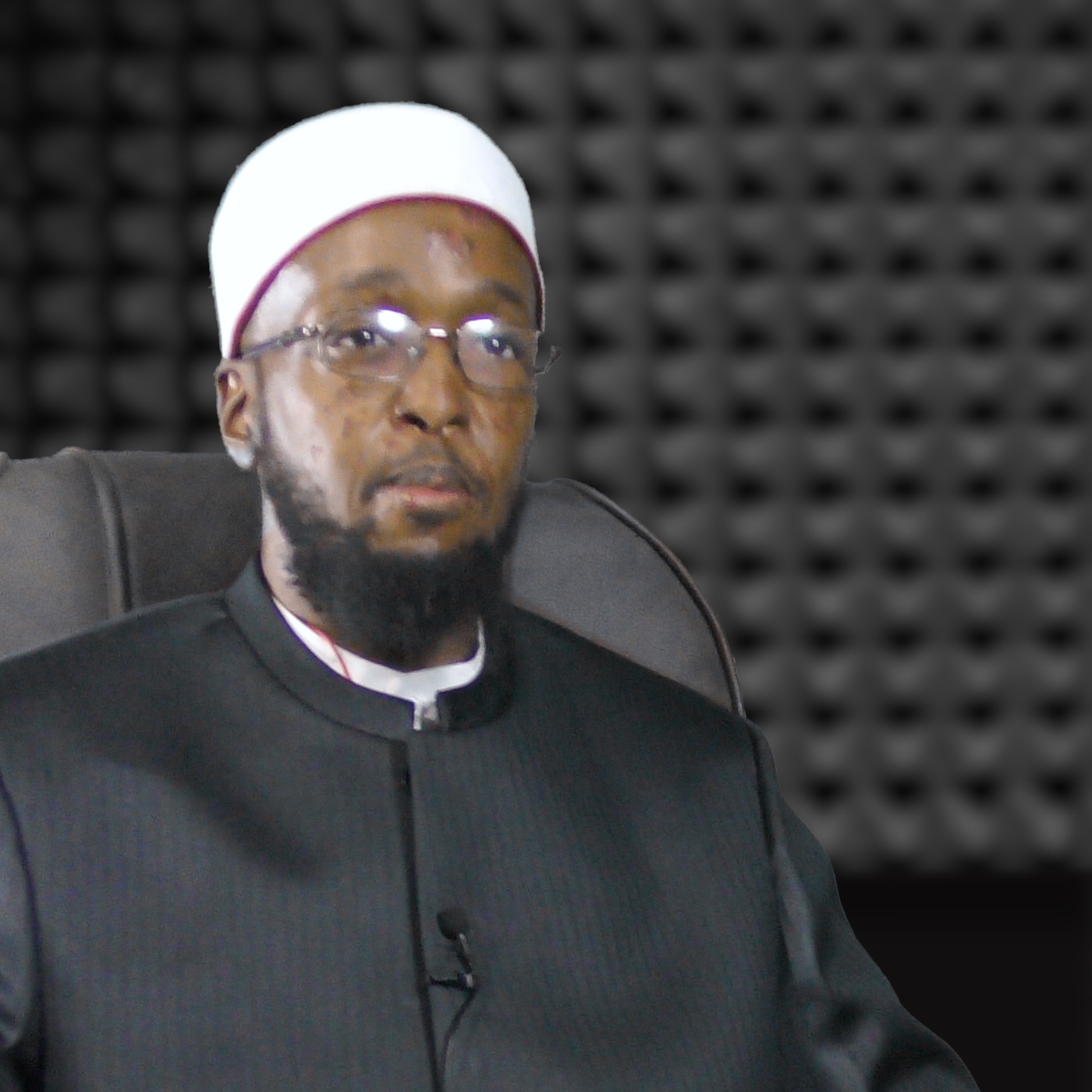
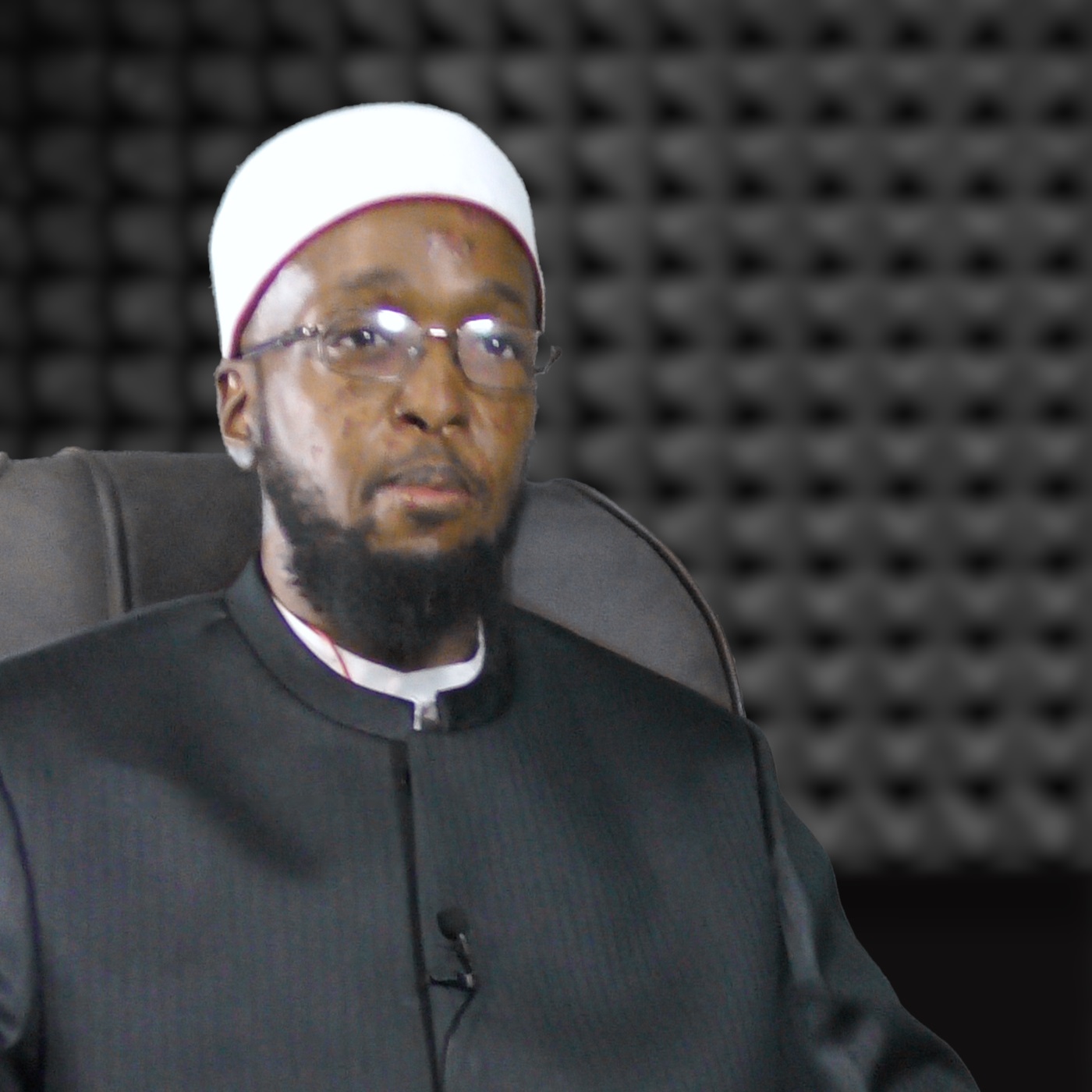
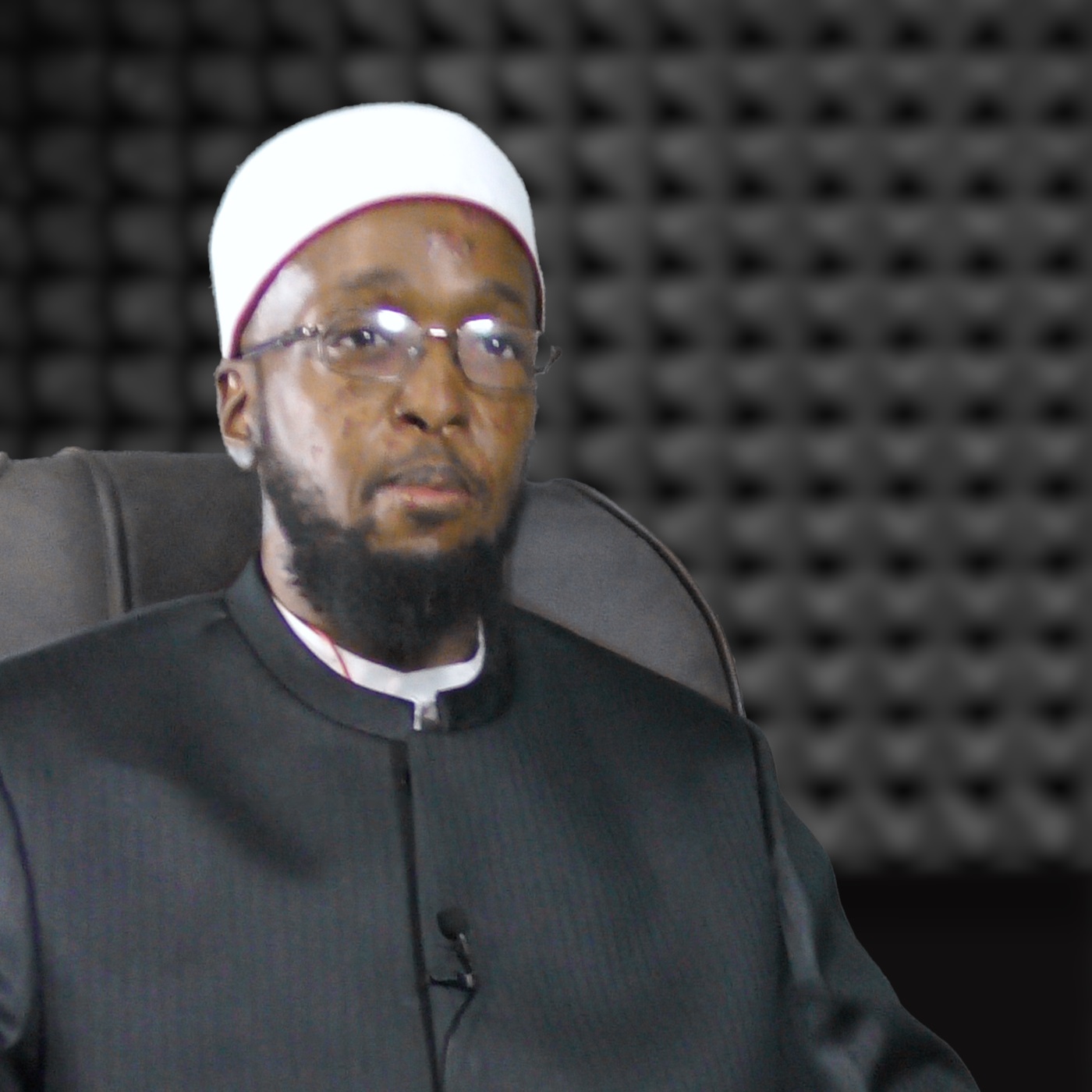
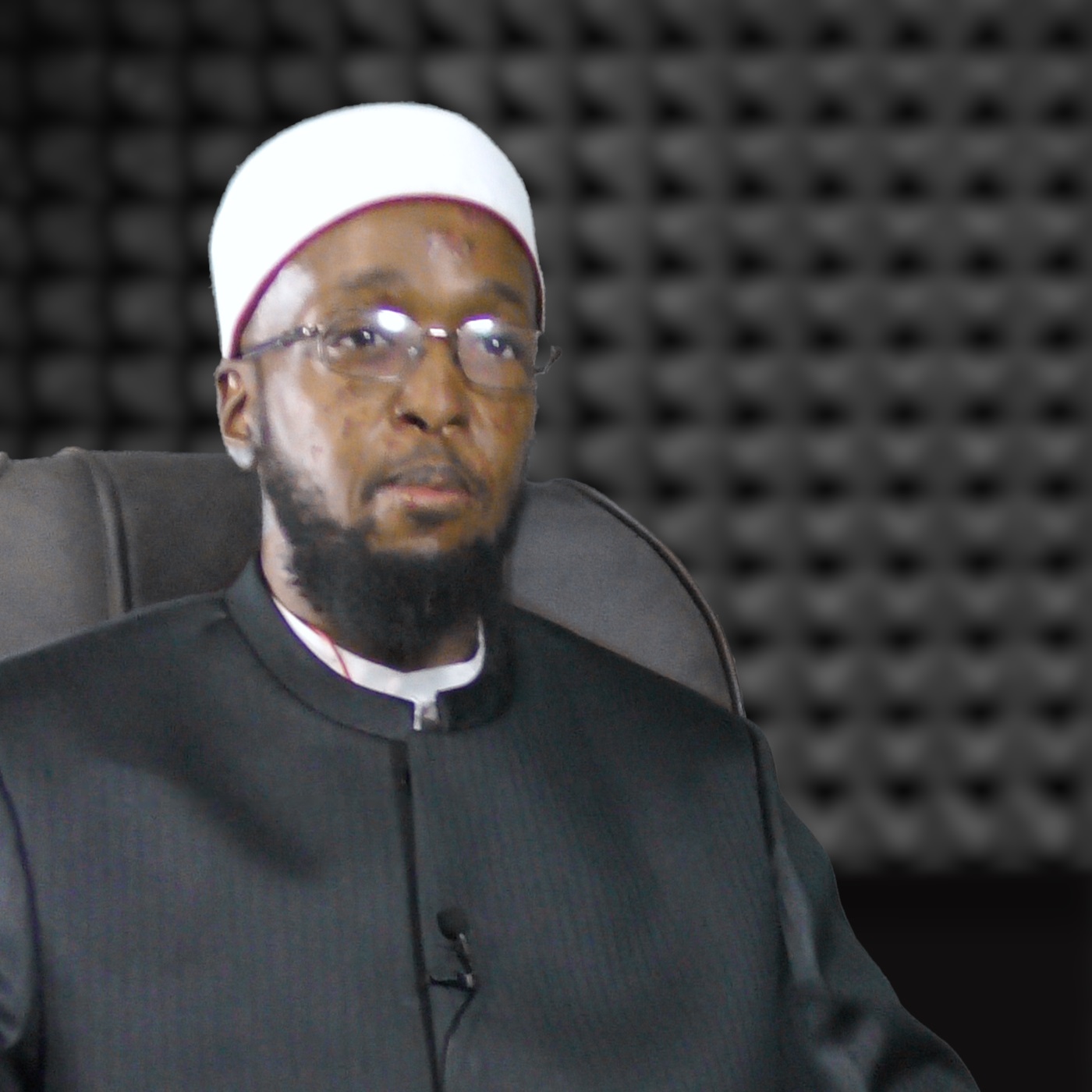
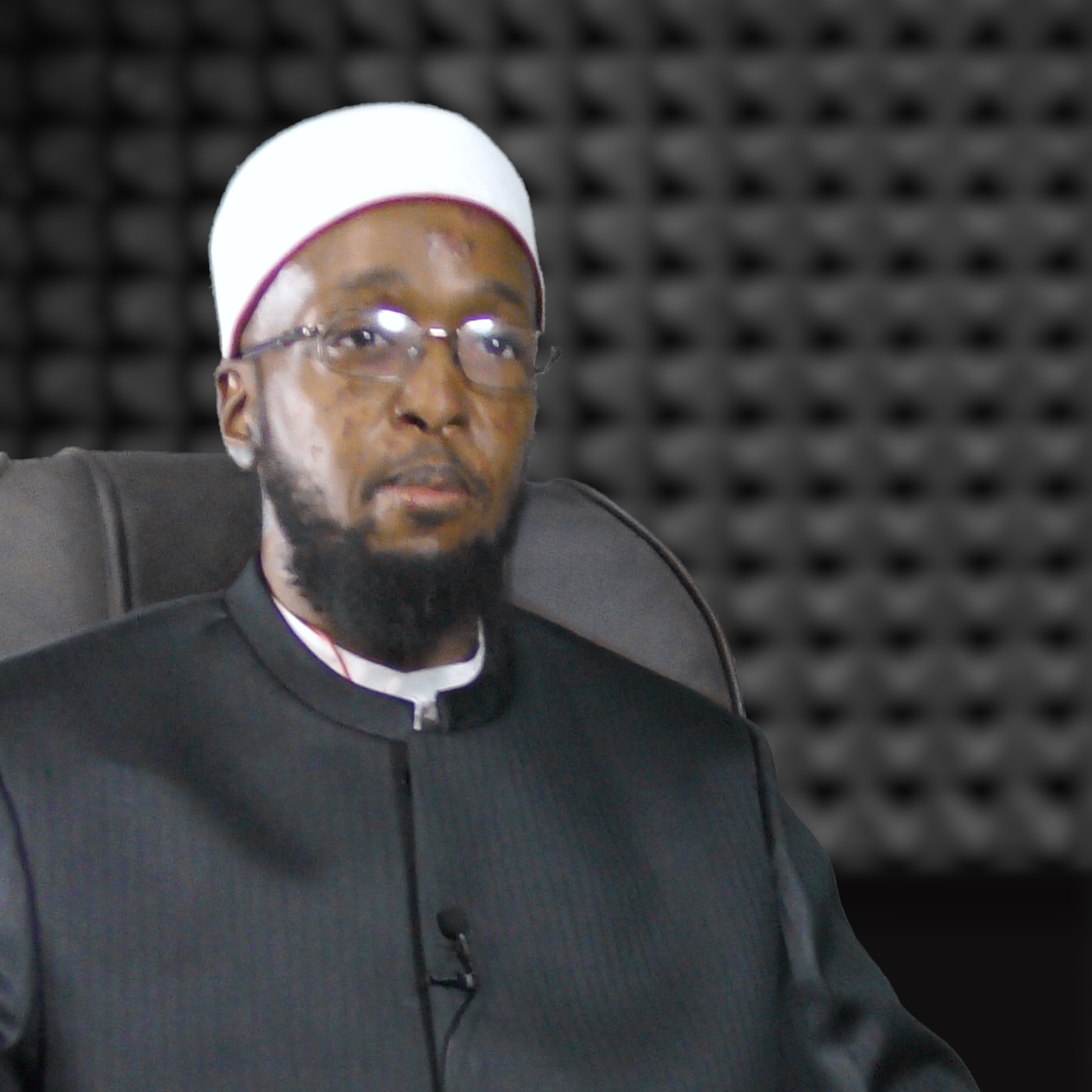
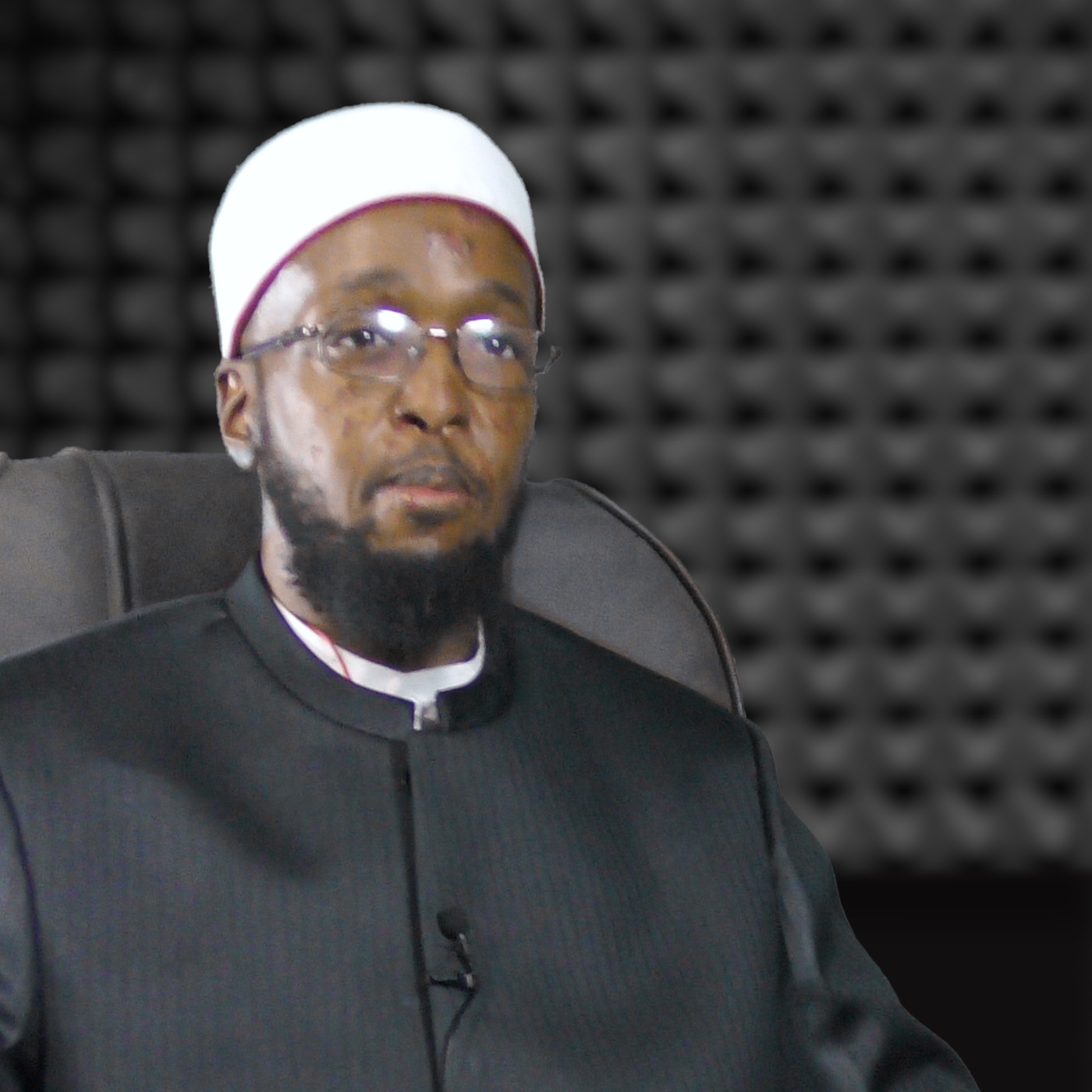
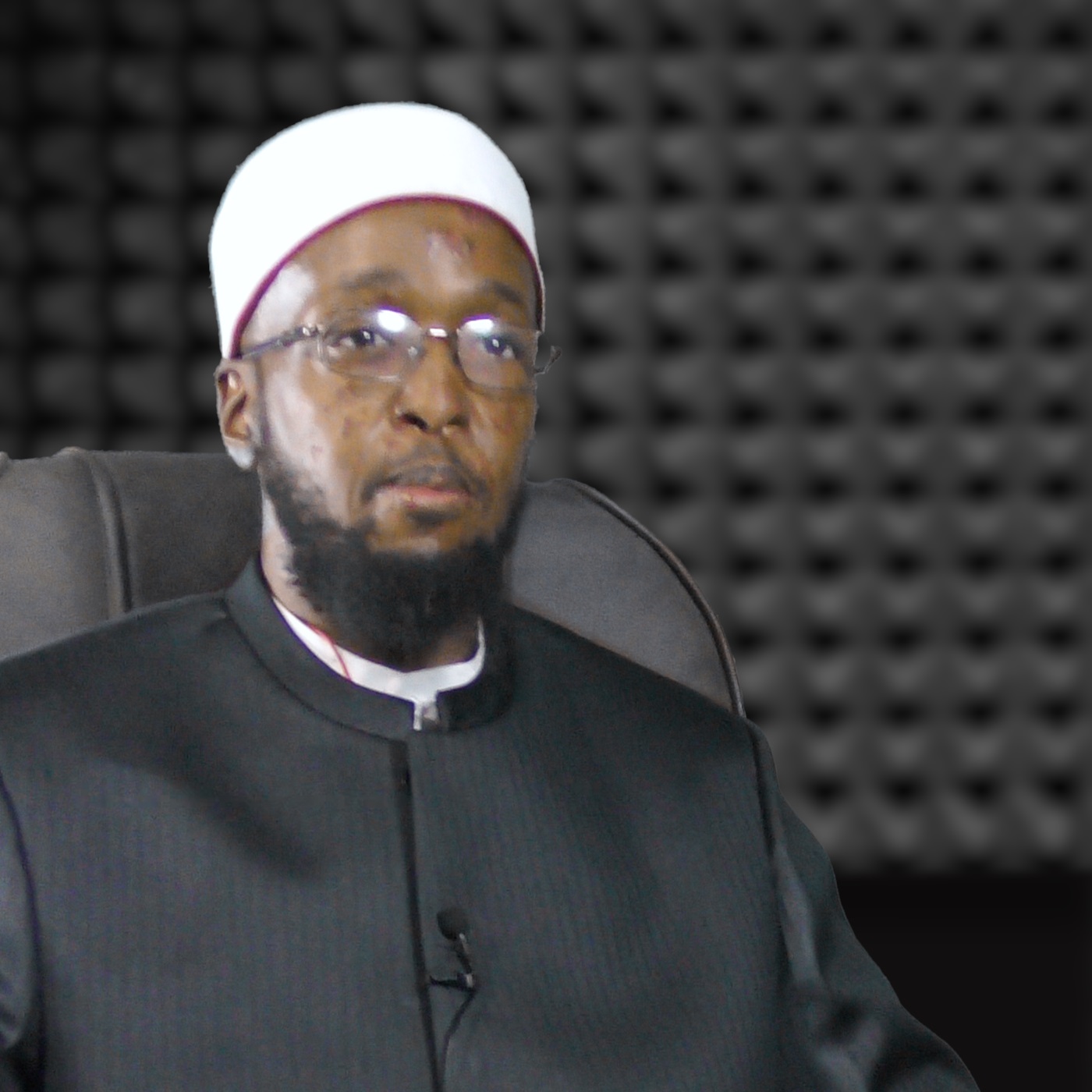
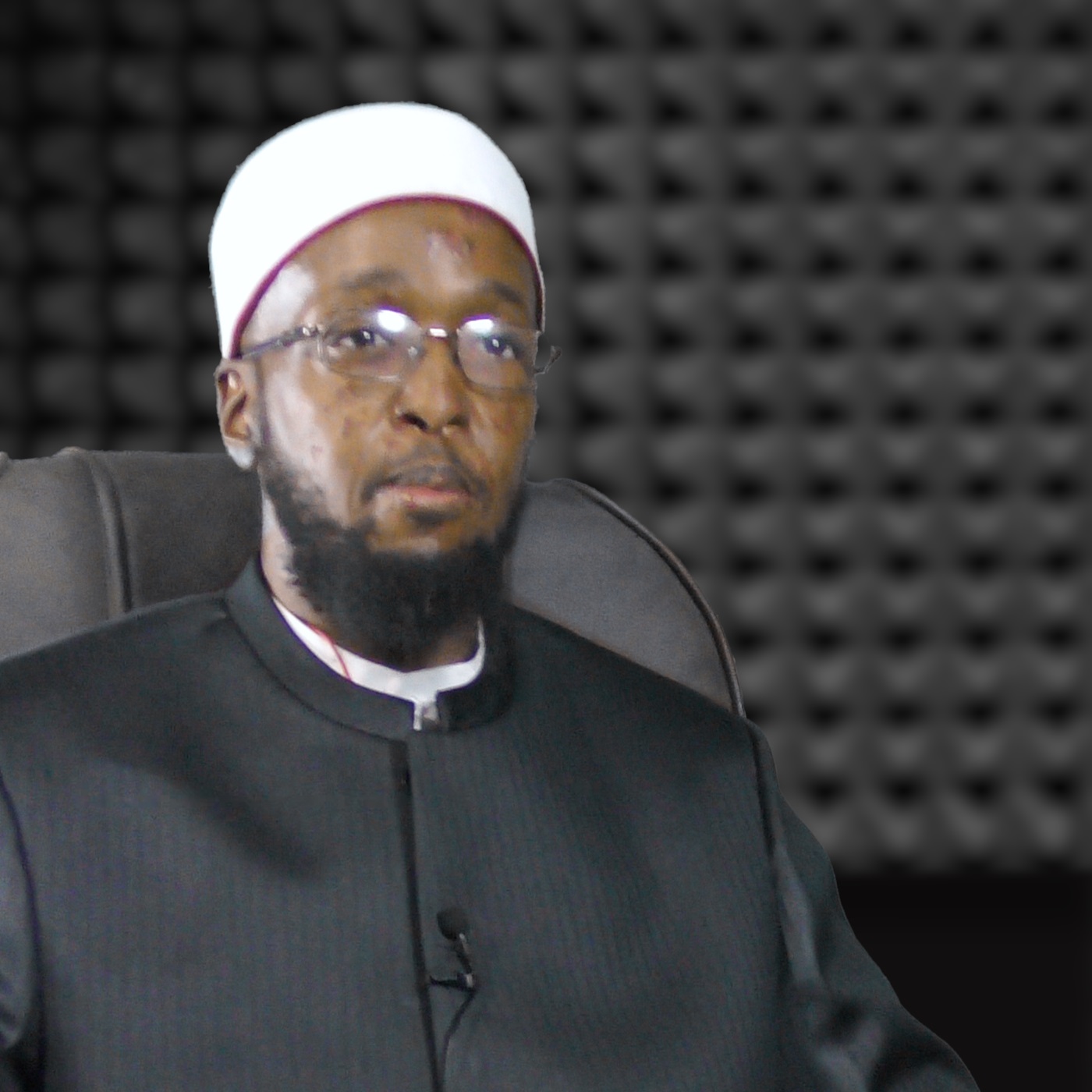
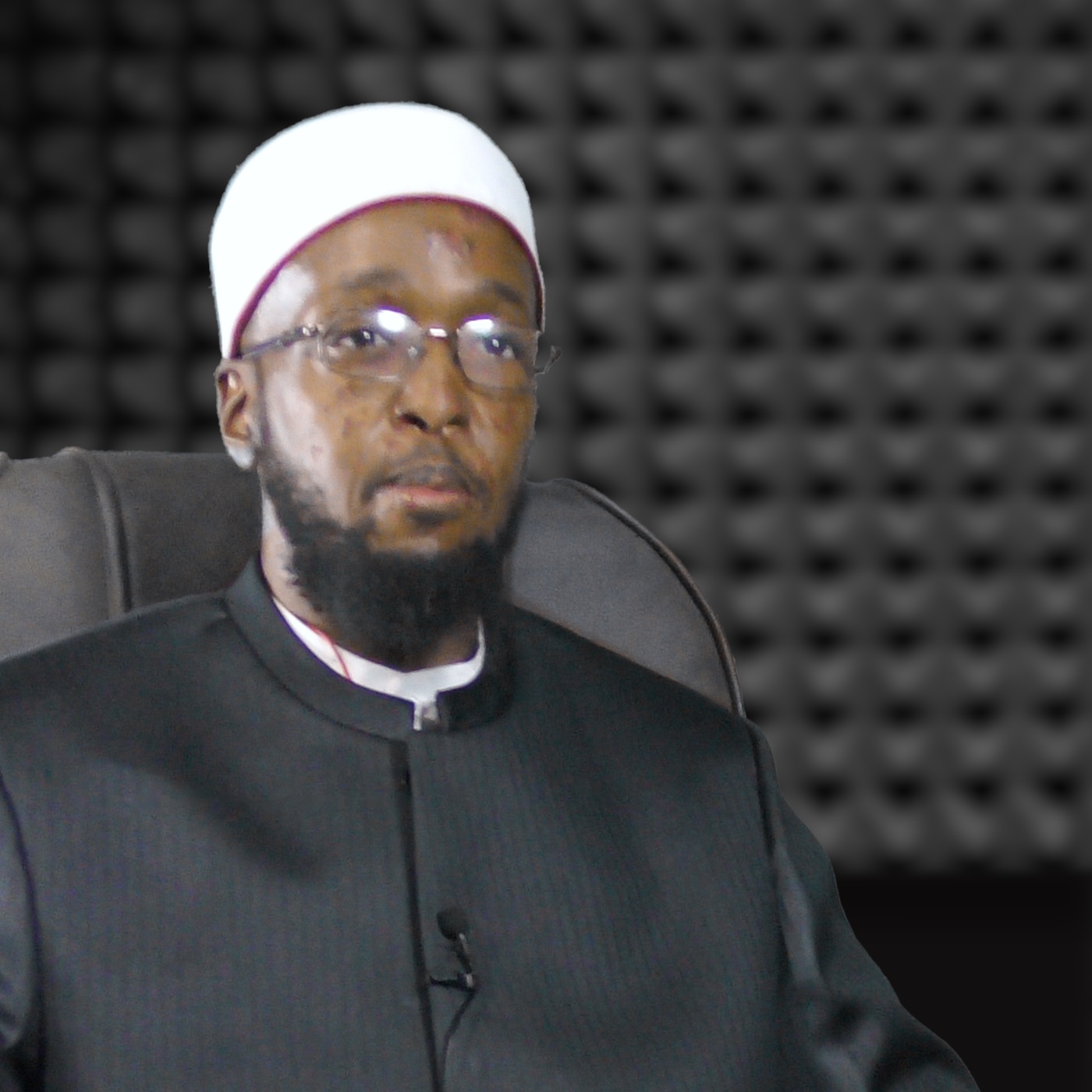
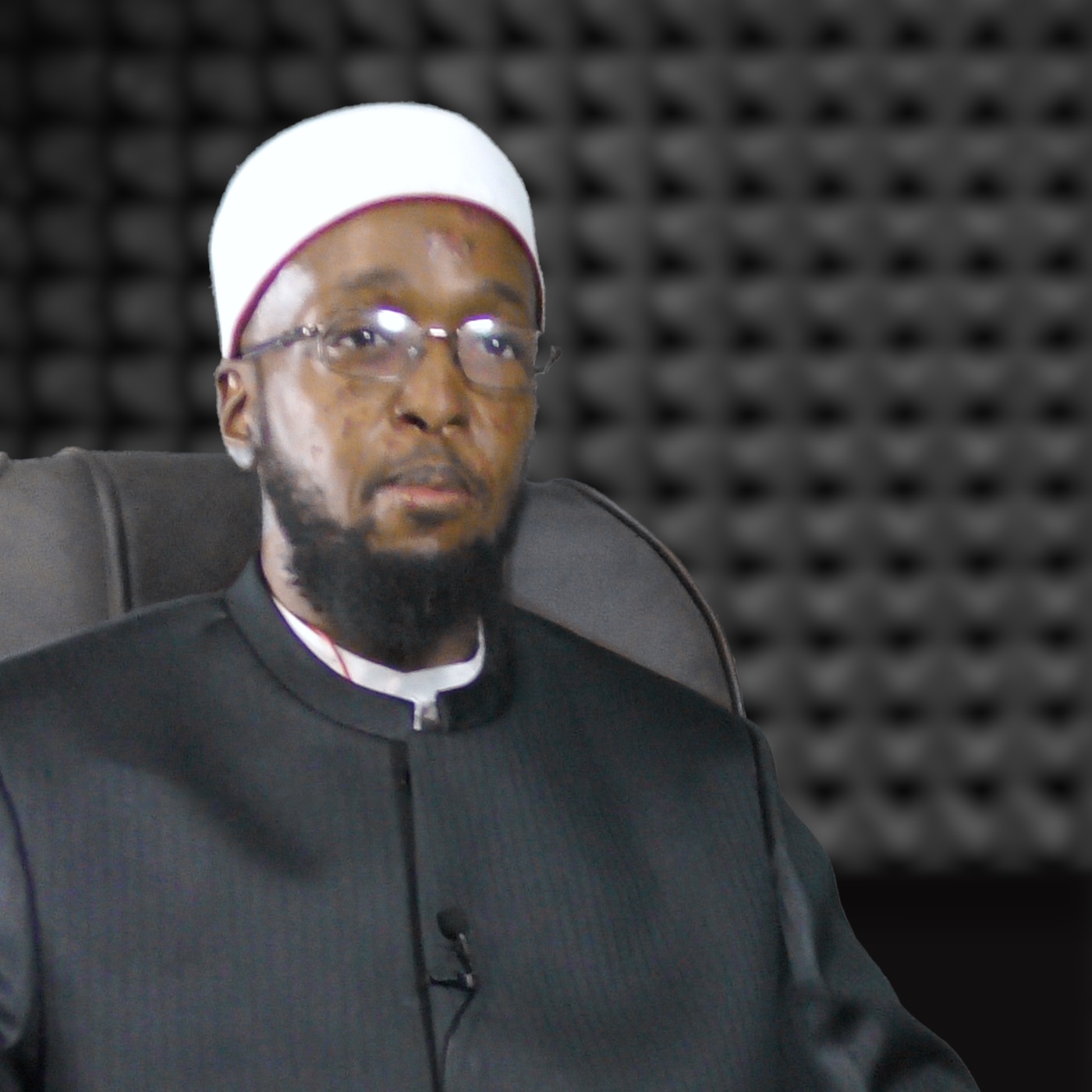
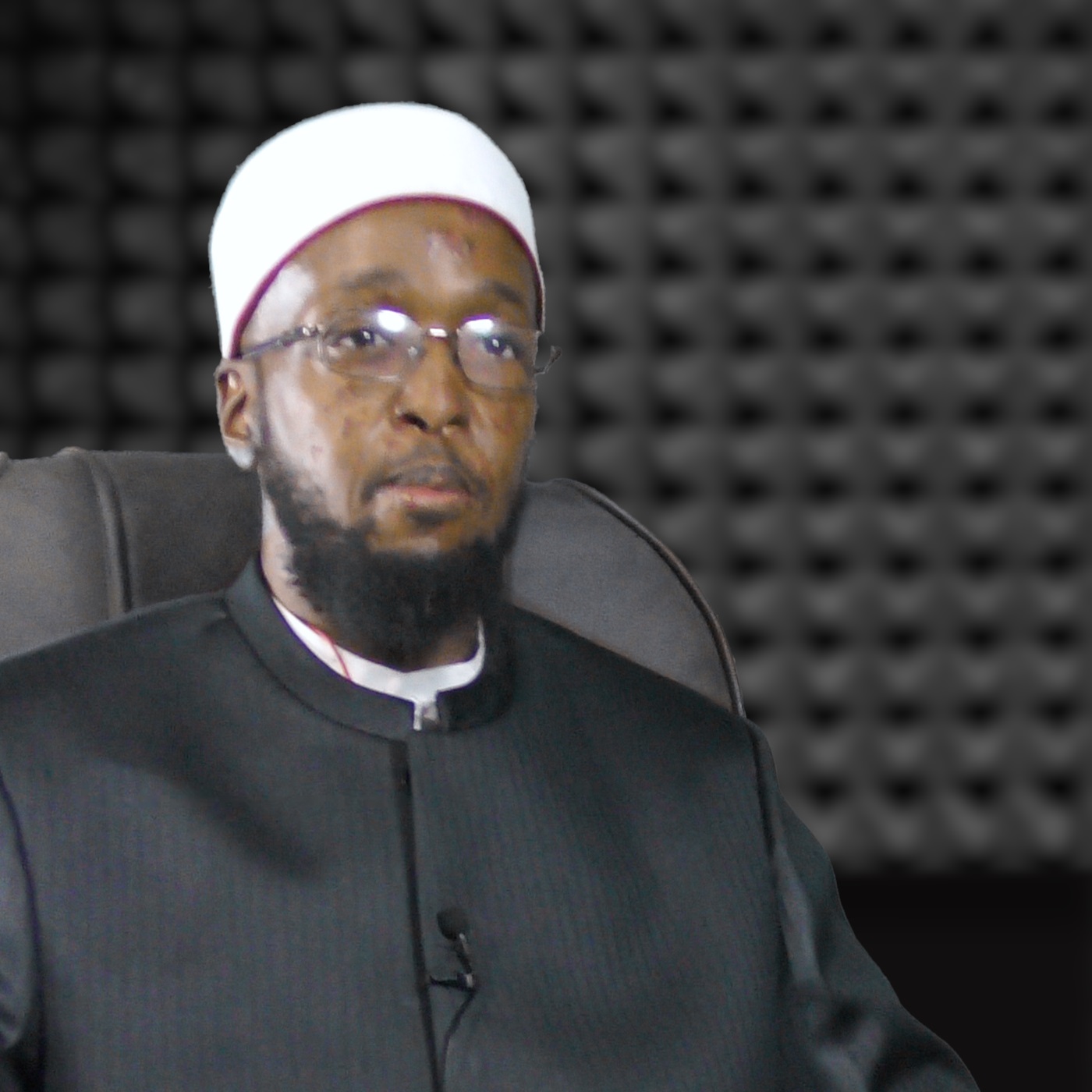
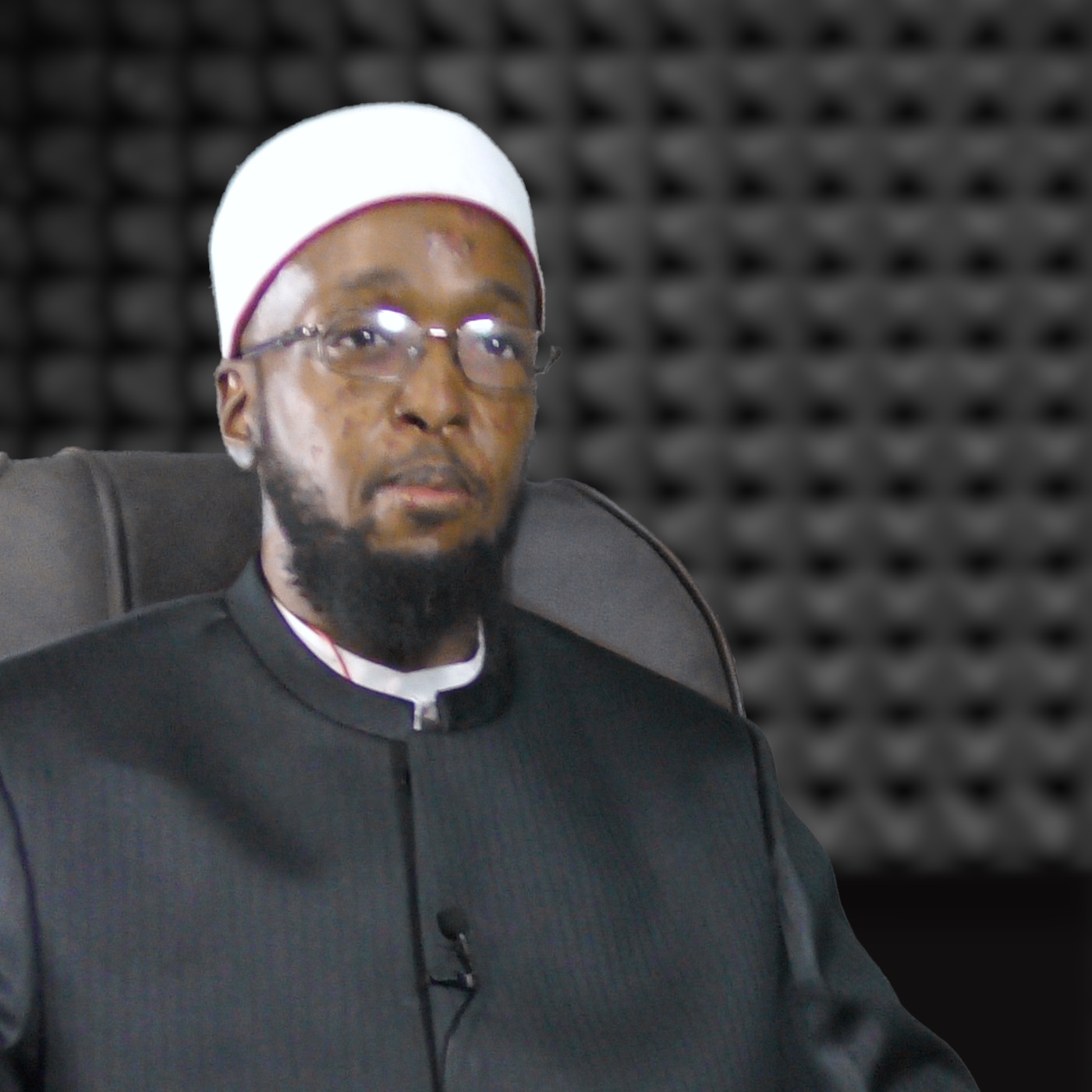
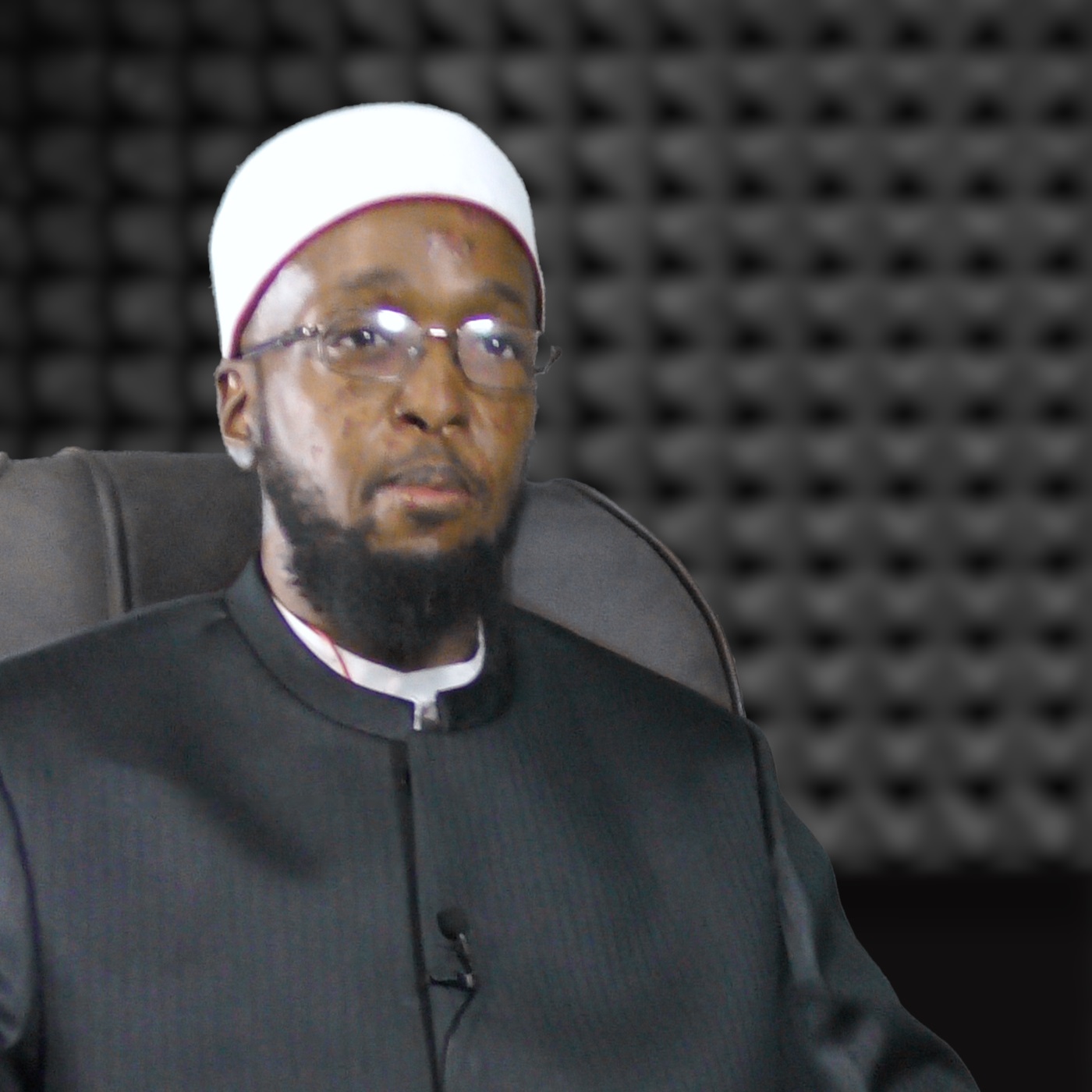
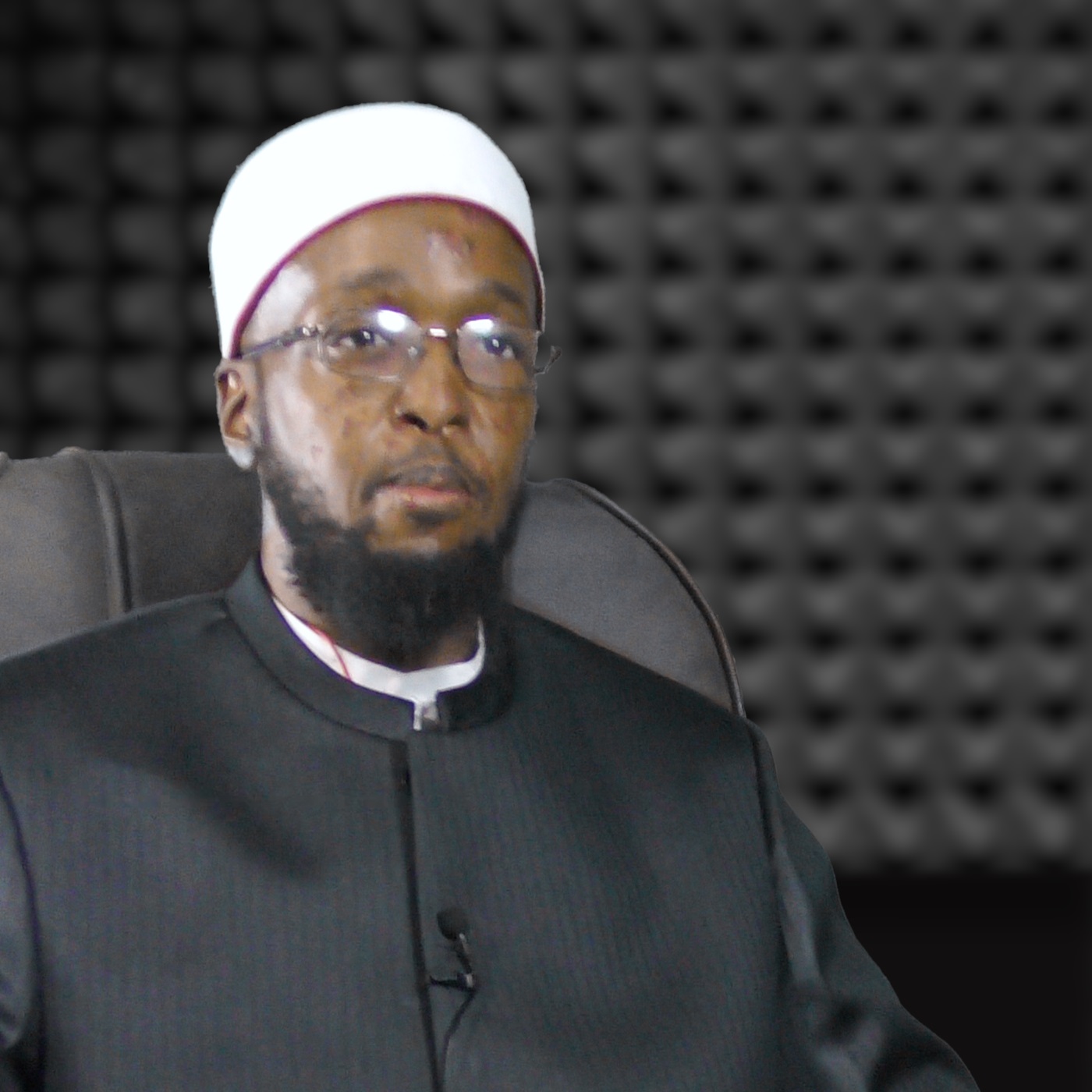
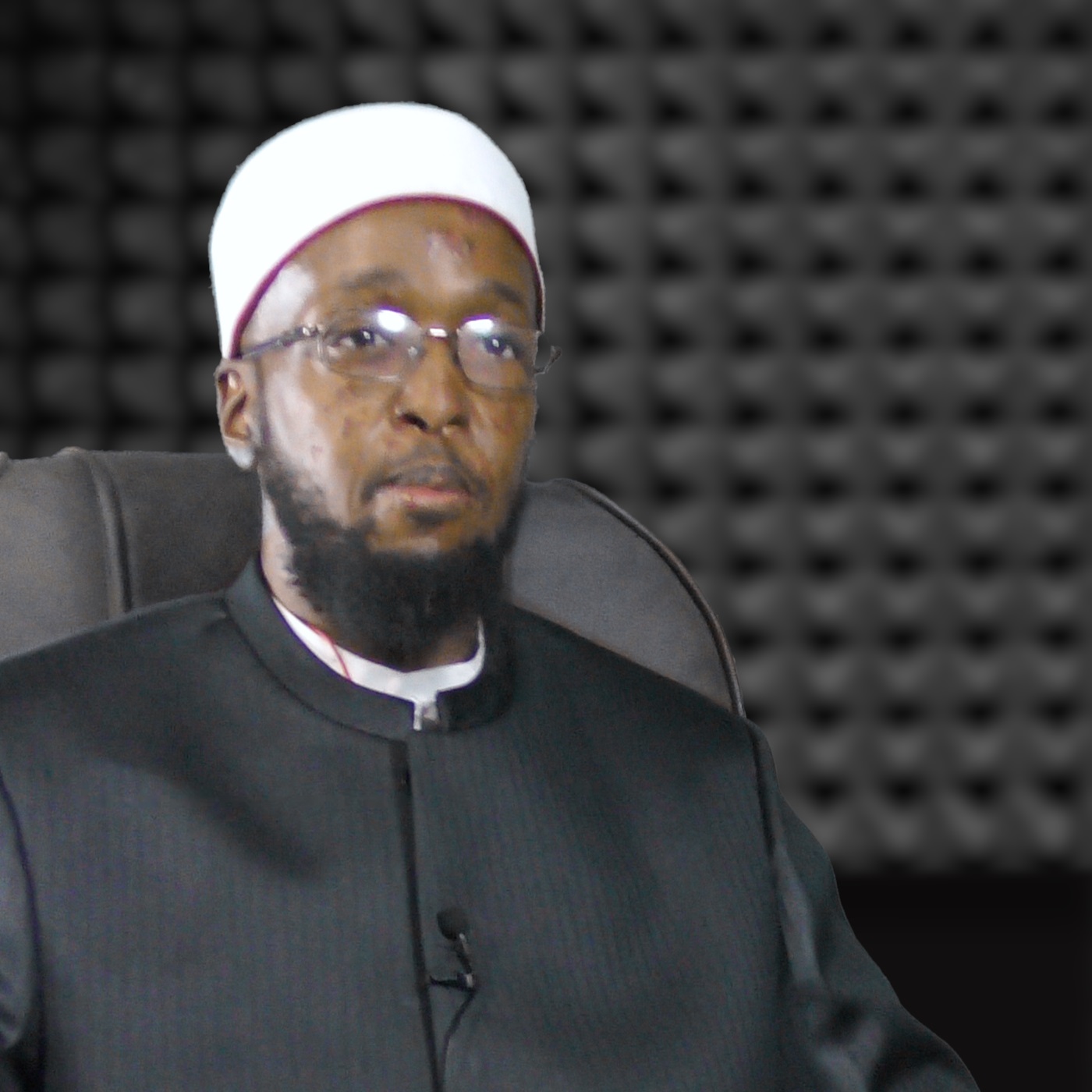
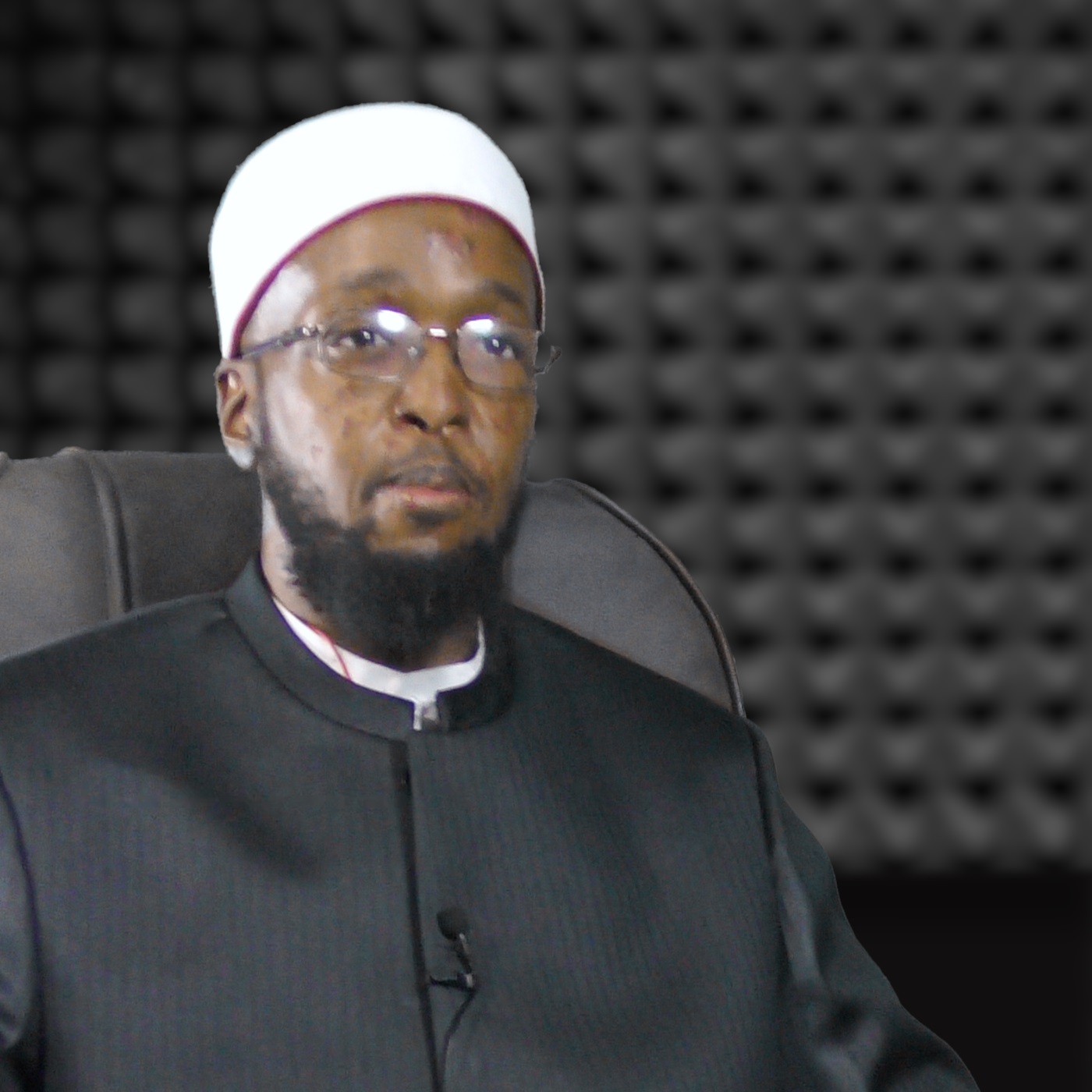
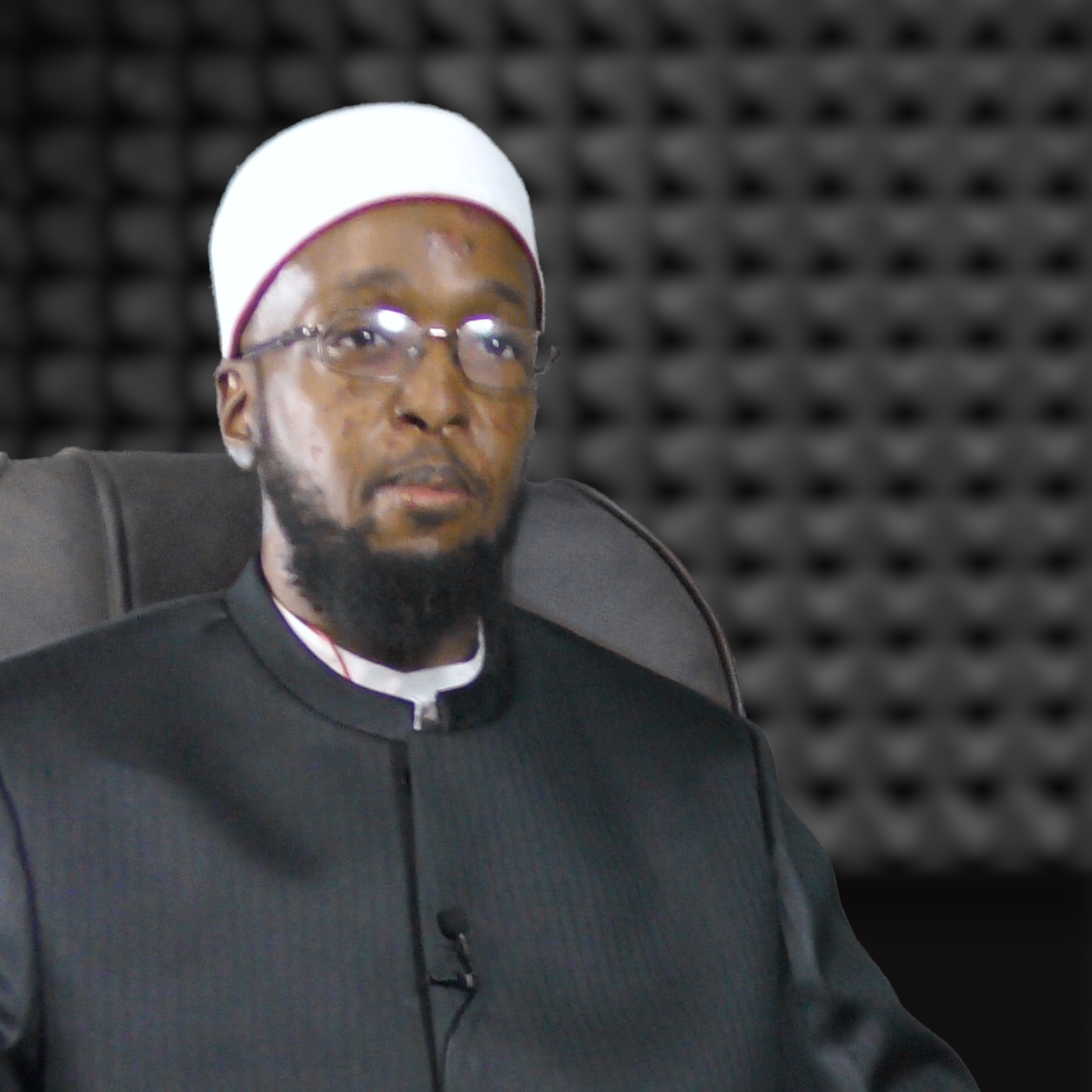
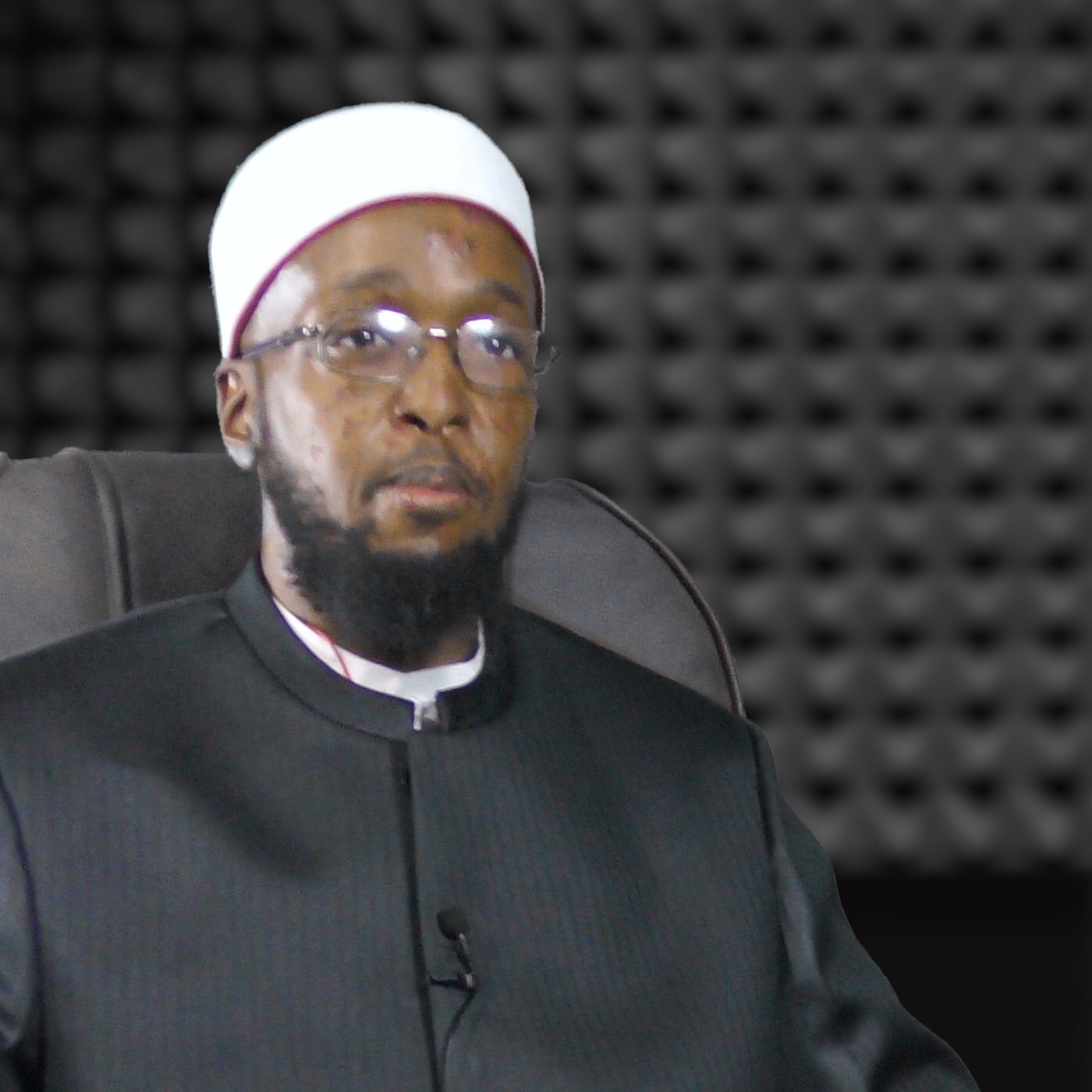
Watch the full breakdown here - "Why Nobody Around You Will Tell You The Truth": https://www.youtube.com/watch?v=PVaveqeIxzw
If this reached something in you, share it with the person in your life who keeps calling the wrong people for the right decisions.
Fiqh Blog Posts

Family Issues Blog Posts
Relationships Blog Posts

Personal Growth & Development Blog Posts
Fiqh Blog Posts
Community Development & Issues Blog Posts