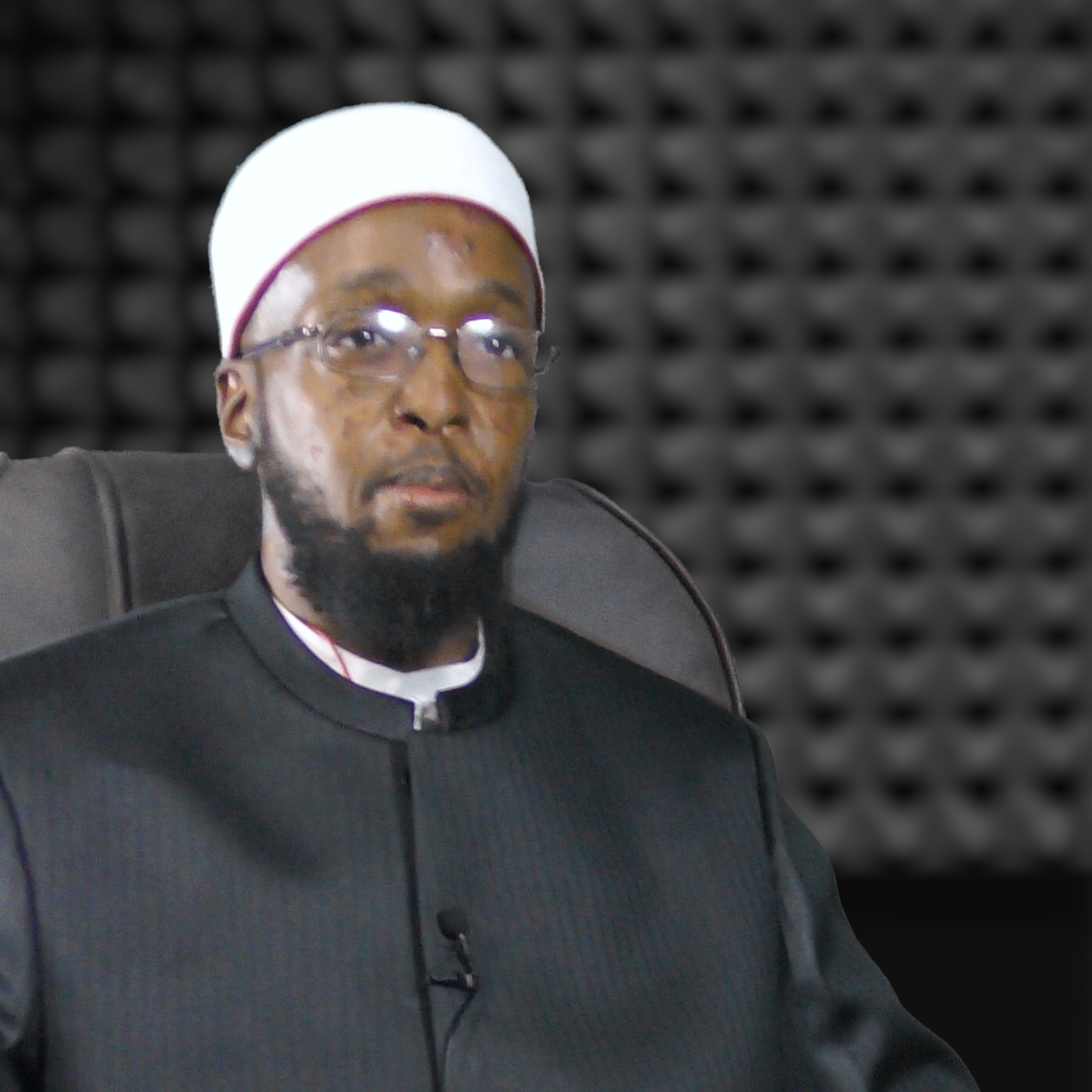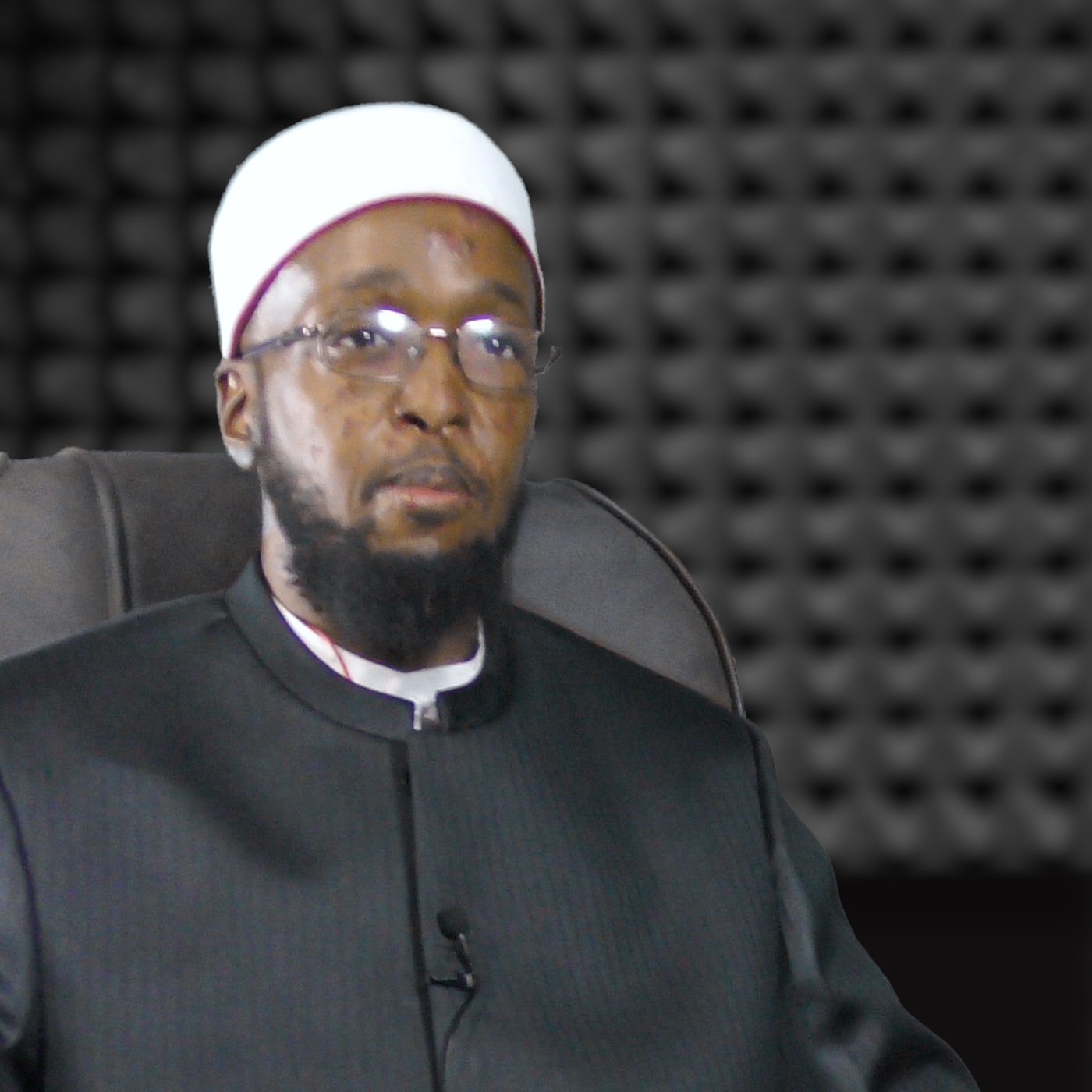

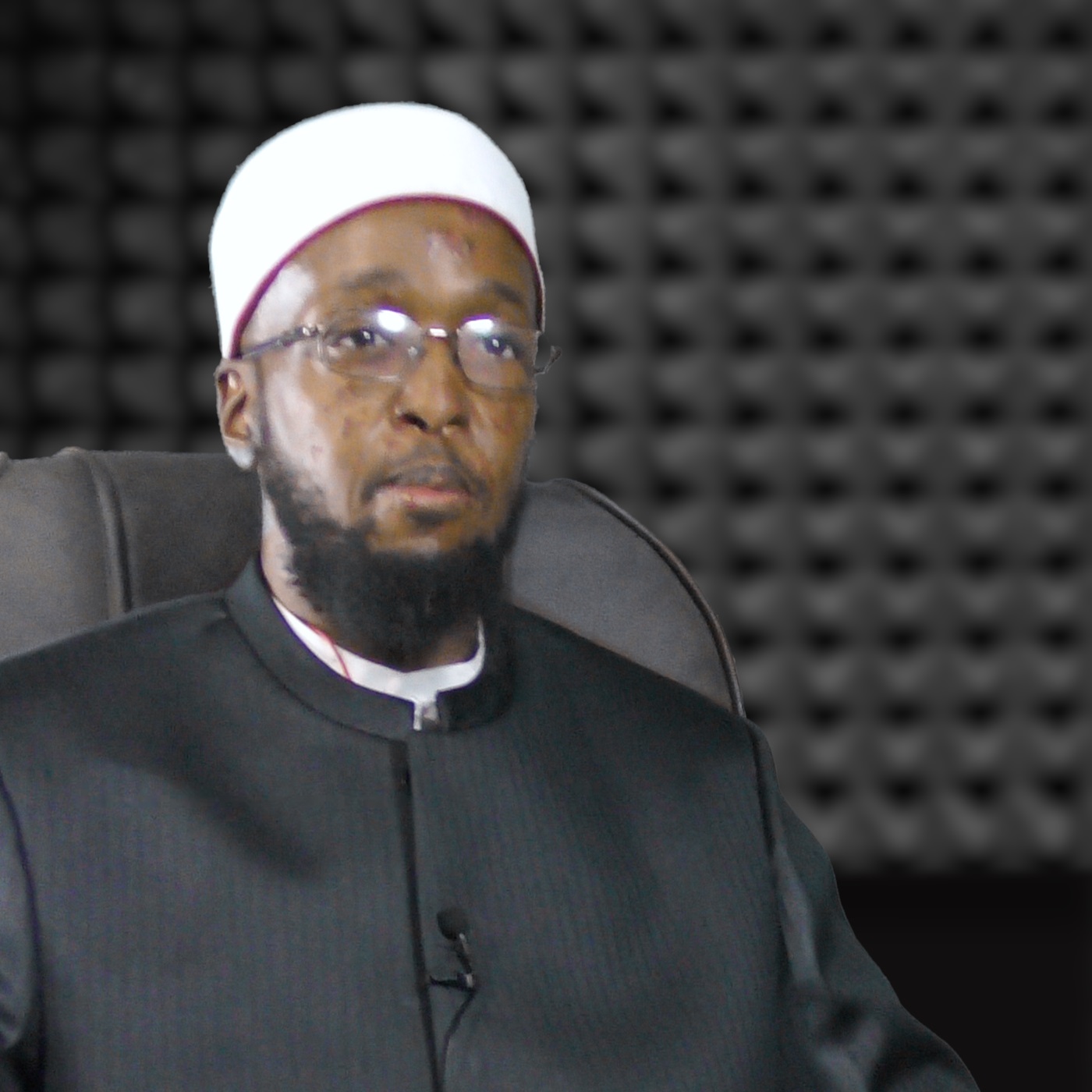
When You've Changed But Nobody Will Let You
The hardest prison to escape isn't built with walls. It's built with other people's memories of you.
You know what you were. You're not running from it. You lived it, you owned it, you brought it to Allah and you fought your way out of it. The late nights of istighfar. The quiet, unglamorous work of rebuilding your character when nobody was watching. The relationships you tried to repair. The habits you buried. The version of yourself you left behind.
You did the work. Real work. The kind that doesn't come with an announcement or an audience.
And yet - you walk into a room and you feel it immediately. The slight shift in tone. The polite smile that doesn't reach the eyes. The way certain people talk around you instead of to you. The conversations that stop just a little too quickly when you walk in. The way your past gets referenced - casually, almost accidentally - in moments where it has absolutely no business being.
You've changed. But nobody will let you.
And the question nobody is asking - the one sitting heavy in your chest right now - is this: How long do I have to keep proving it?
You Are Not Imagining It
Let's establish something clearly before we go any further. What you are experiencing is real. It is not paranoia. It is not sensitivity. It is not you being unable to "move on."
There is a deeply embedded human habit - one that runs across cultures, families, and communities - of treating people as fixed objects rather than living, growing human beings. Once someone forms an image of you, that image becomes their truth. And contradicting someone's truth - even with consistent evidence - triggers something uncomfortable in them. Because updating their view of you means admitting they may have had you wrong. And that costs them something.
So instead, they hold the snapshot. They keep the old file open. And everything you do that contradicts it gets quietly dismissed, reinterpreted, or minimized.
This is not about you. This is about them.
Understanding that will not make it painless. But it will stop you from internalizing their refusal to see you as evidence that you haven't actually changed. Because that is the real danger here - not that they won't update their image of you, but that their stubbornness eventually becomes your self-doubt.
The Moment It Becomes Dangerous
There is a point in this experience that you need to recognize and guard against fiercely.
It is the moment when you stop growing for Allah - and start performing for people.
When the journey shifts from genuine transformation to a desperate, exhausting campaign to change other people's perception of you, something breaks. You start calculating every move based on how it will land. You start over-explaining yourself. You start shrinking in spaces where the old image is strong, and over-compensating in spaces where it isn't. You become reactive to their snapshot instead of anchored in your own reality.
And the cruel irony is this: the more you perform, the less convincing you become. People can feel the difference between someone who is living their change and someone who is marketing it.
The work was never for them. It was always between you and Allah. The moment you lose that - you lose your footing entirely.
What the Sunnah Says About This Moment
The Prophet (peace be upon him) and his Companions lived this reality in ways that make our experiences look minor by comparison.
Think about the Sahabah who came to Islam after years of being enemies of the Deen. Men who had persecuted Muslims, fought against the truth, done things that left real wounds in the community. And then they changed. Genuinely, completely, irrevocably.
Did everyone immediately update their image? No. There were moments of tension, moments of hesitation, moments where the past cast a long shadow over the present. But the Prophet (peace be upon him) modeled something critical: he responded to what was in front of him. He did not hold people hostage to who they had been. He dealt with who they were.
And for the person who has changed - who is living with the weight of other people's frozen snapshots - the Sunnah offers something stabilizing. Your account is with Allah. His knowledge of you is not frozen. He sees every step. He sees the sincerity. He sees the effort that no one else is witnessing or crediting. And His judgment is the only one that carries permanent weight.
That is not a platitude. That is a foundation. And when the people around you are operating from a five-year-old photograph, you need a foundation that doesn't shift.
How to Carry Yourself When the Snapshot Won't Break
This is practical. This is what you actually do.
Stay consistent without seeking validation. The only thing that breaks a frozen snapshot - over time - is undeniable, consistent evidence that contradicts it. Not arguments. Not explanations. Not defending yourself in conversations that weren't even directly addressed to you. Just consistent, quiet, dignified behavior that eventually becomes impossible to dismiss. This takes longer than it should. Do it anyway.
Stop explaining yourself to people who have already decided. There are people in your circle whose snapshot of you is load-bearing - meaning, their identity as the person who "saw through you" depends on you staying small. No explanation will reach them. No evidence will be enough. Recognize those people and stop auditioning for them. Your energy is finite. Spend it on growth, not on a court that has already delivered its verdict.
Find the people who see you clearly. They exist. There are people in your life - maybe not many, but they exist - who look at who you are today without the old file open in front of them. Those relationships are not just emotionally sustaining, they are spiritually necessary. Invest in them. Let them be the mirror you look into most often.
Grieve the relationships that may not recover. Some people will never update the snapshot. And some of those people are ones you love - family members, old friends, people whose renewed acceptance you have quietly ached for. Give yourself permission to grieve that. It is a real loss. But do not let the grief become a reason to stop moving forward. You cannot control their vision. You can only control your direction.
The Question Worth Sitting With
Here's what I want to leave you with - and it requires genuine honesty.
Is it possible that while you are frustrated with the people who won't update their image of you - there is someone in your life that you are doing the exact same thing to?
Someone who has changed. Someone who has tried. Someone who is carrying the weight of your frozen snapshot of them the same way you are carrying others'.
Because grace is rarely something we extend first. Usually, we extend it after we've needed it ourselves.
Maybe the path to being seen clearly by others starts with choosing to see someone else clearly first.
Watch the Full Breakdown
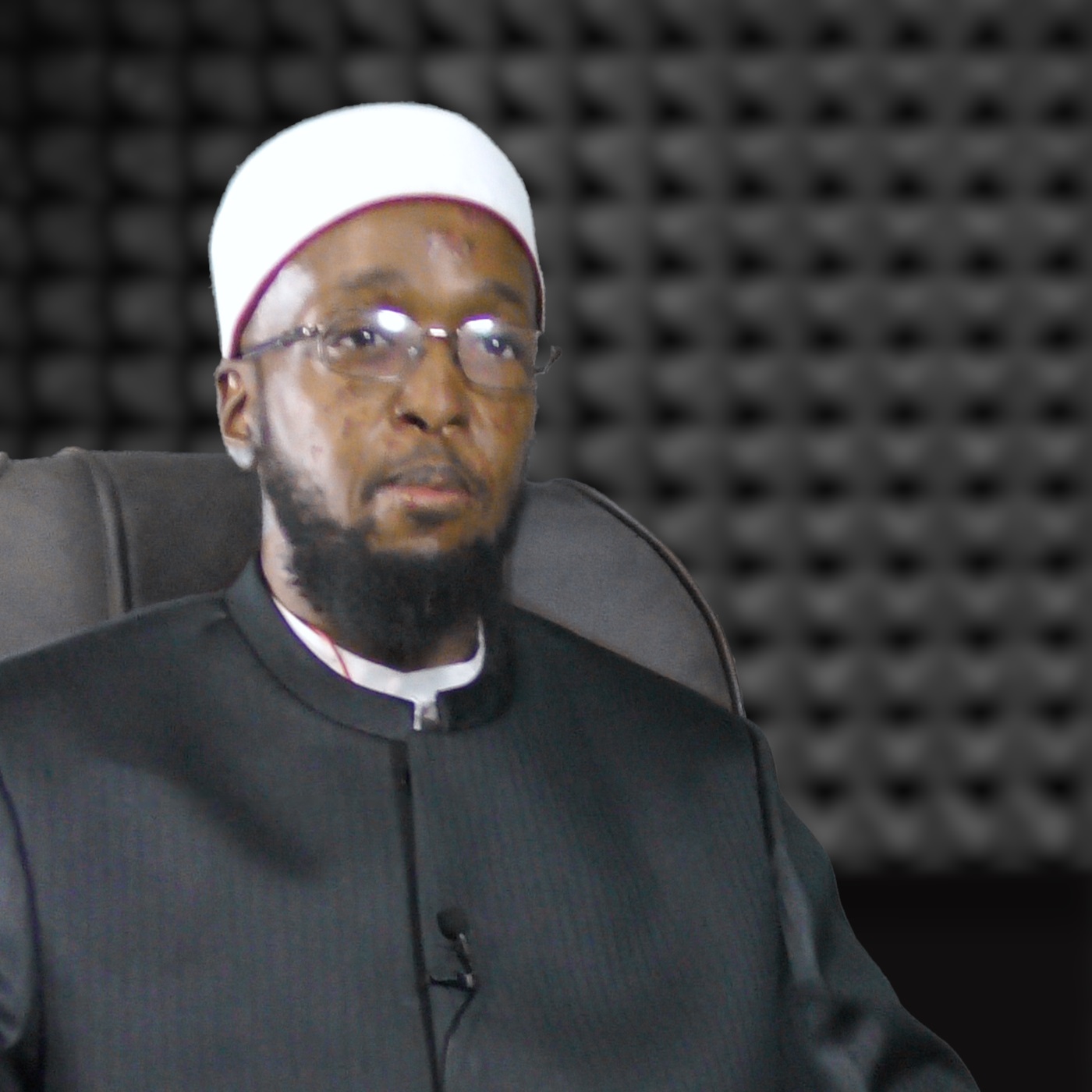
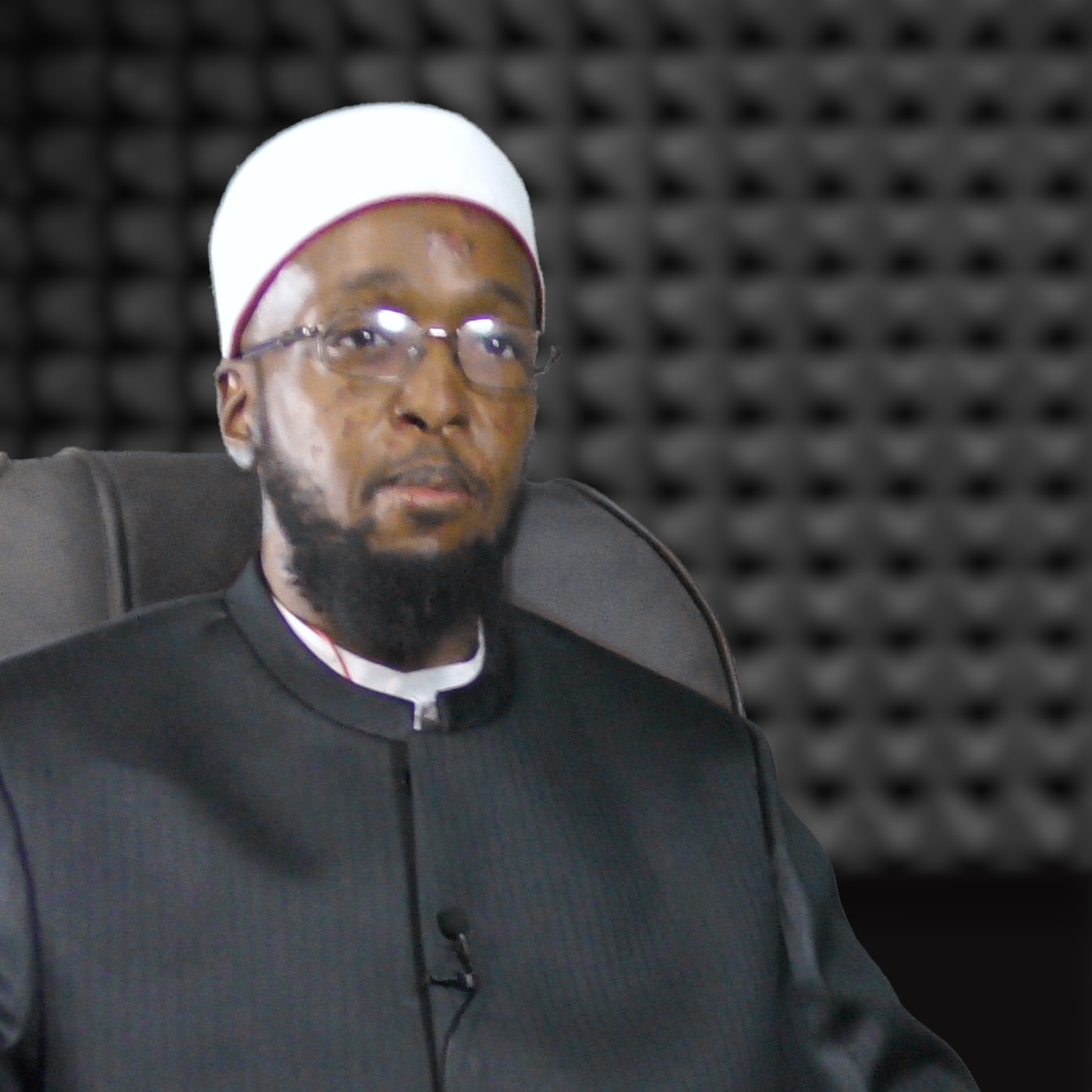
This article covers one side of the conversation - the person trapped inside someone else's snapshot. But there is an equally important side that needs to be addressed: the one holding the snapshot, what it's really costing them, and the step-by-step framework for breaking the habit before it destroys the relationships and opportunities Allah placed in their path.
That full breakdown is in the video. It is essential viewing if this article hit you - because the two sides of this conversation belong together.
- Watch it here: https://www.youtube.com/watch?v=rIbUcn0-DZU
If this article opened something up for you - share it with someone who needs it. You probably already know who that person is.
Fiqh Blog Posts

Family Issues Blog Posts
Relationships Blog Posts

Personal Growth & Development Blog Posts
Fiqh Blog Posts
Community Development & Issues Blog Posts